
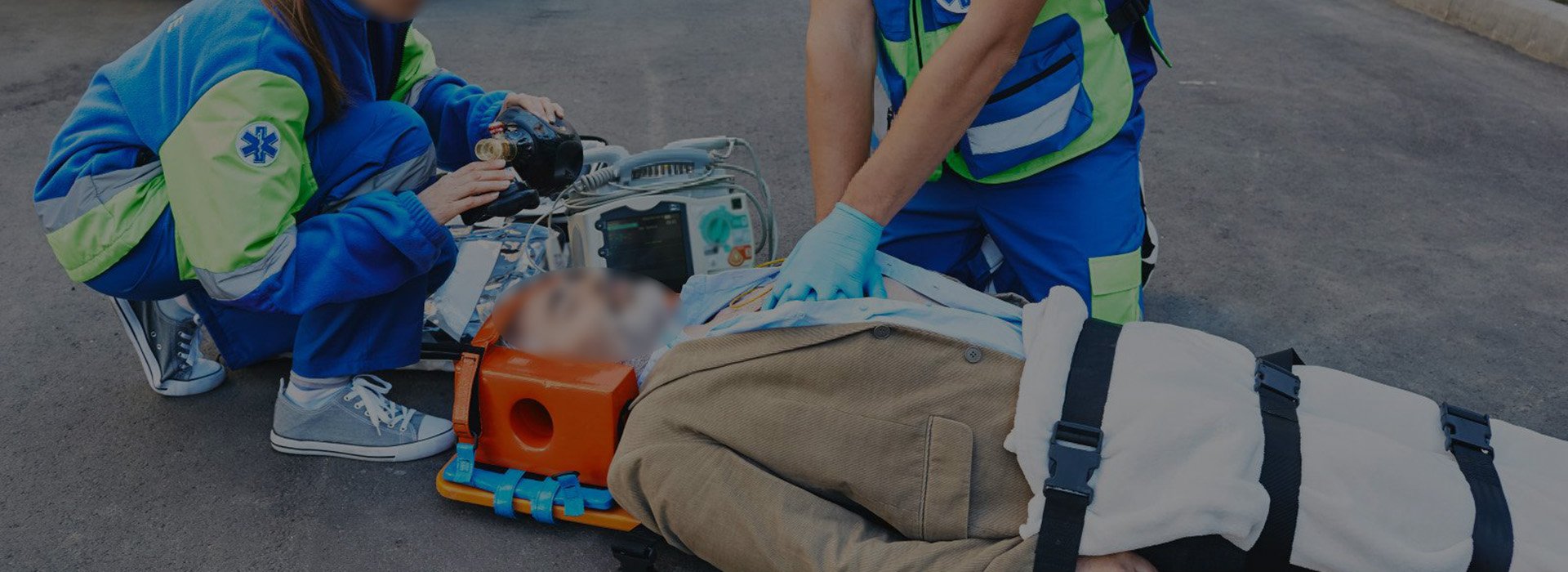
Professional Scoop Stretcher, A Safe Transfer Solution for Trauma Fixation Supplier
As a professional manufacturer of EMS products for 35 years, when dealing with patients with severe injuries, suspected fractures, or those who are unable to move, REDLEAF has designed professional scoop stretchers for difficult rescue scenarios to prevent any unnecessary flipping that could cause catastrophic secondary injuries.
Our scoop stretcher is made of high-strength aluminum alloy, HDPE, or carbon fiber. Some scoop stretchers can undergo X-ray examinations directly. It can work in conjunction with the head immobilizer and the spinal board stretcher to achieve full-body rigid fixation, eliminate the risk of secondary harm. The certification meets the safety standards for medical devices, and it is an indispensable standardized and professional stretcher for the emergency rescue team when carrying out high-risk rescue operations.
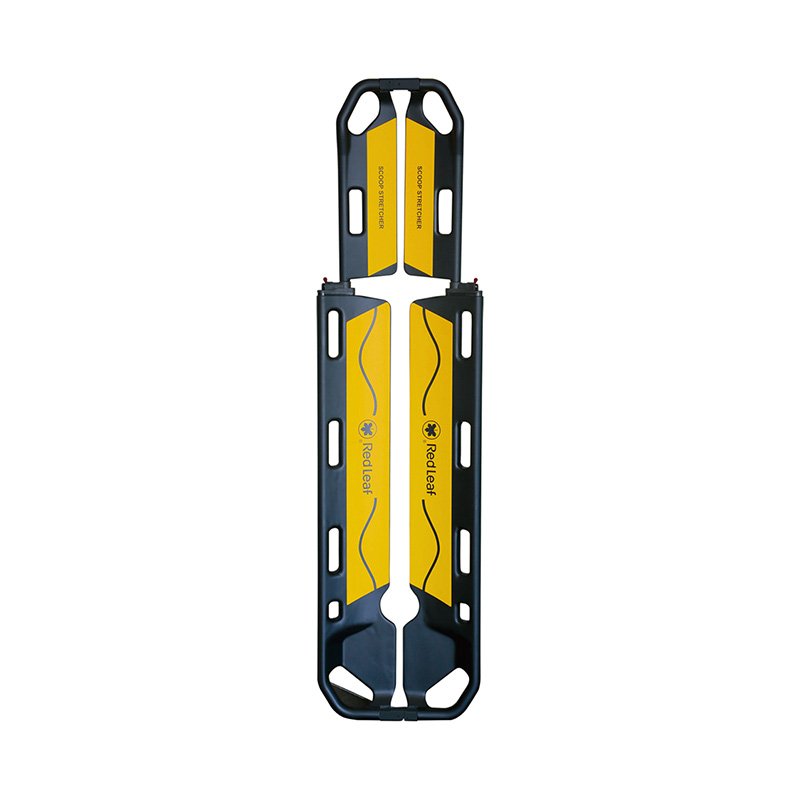
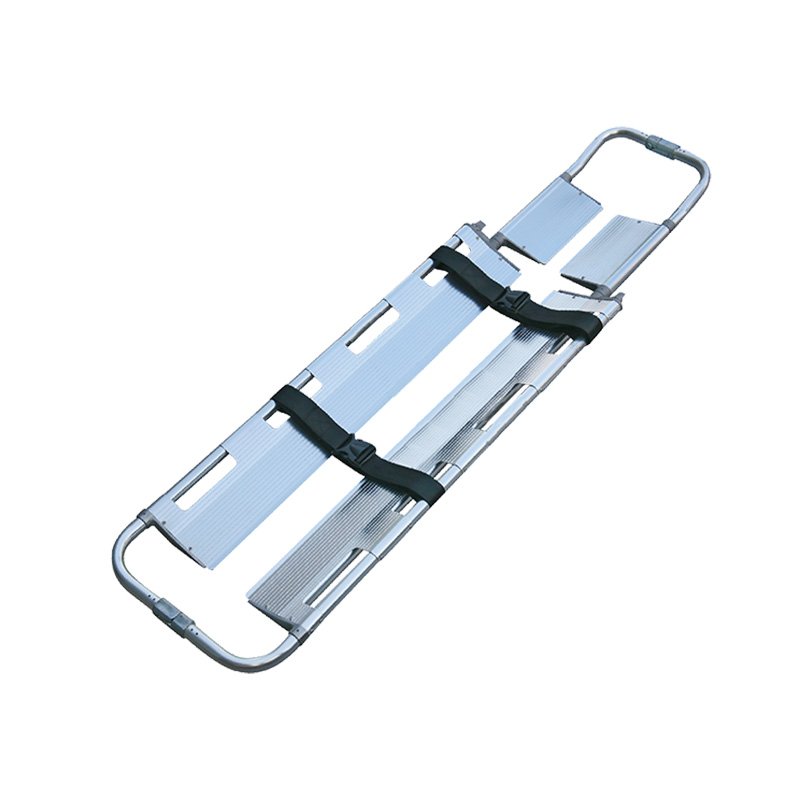
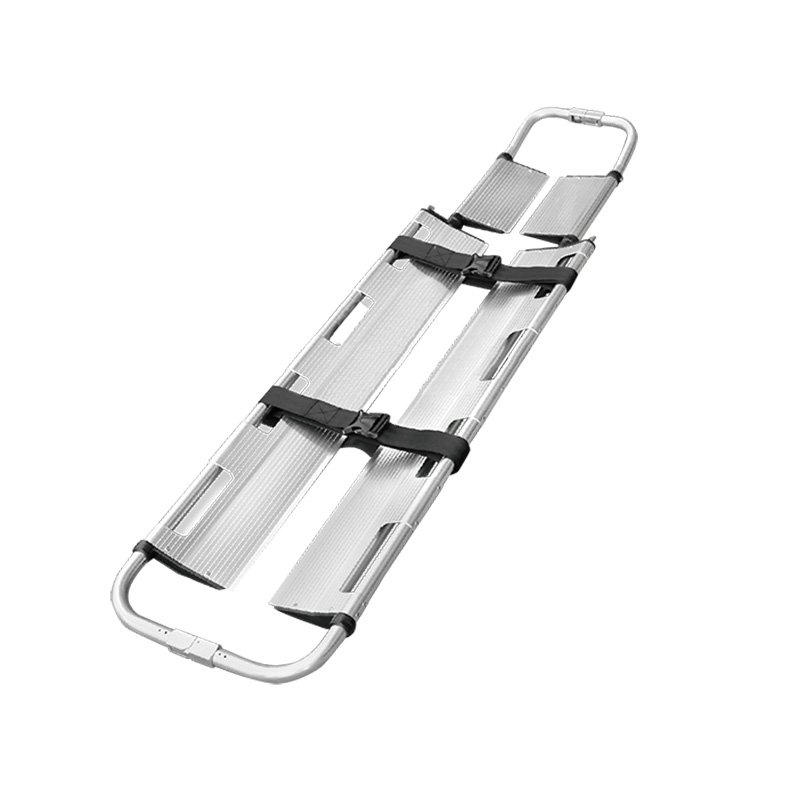
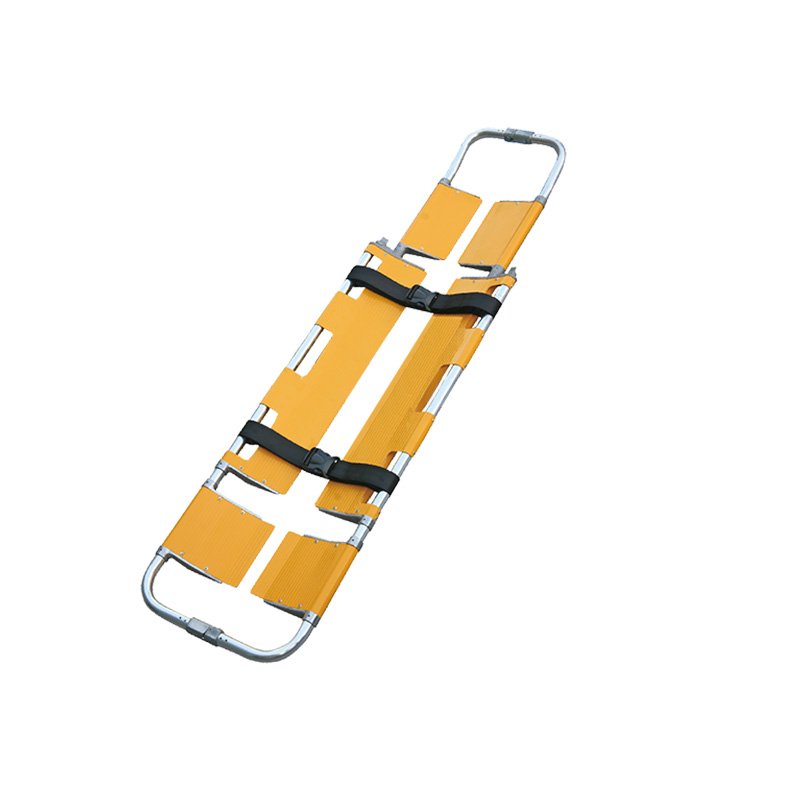
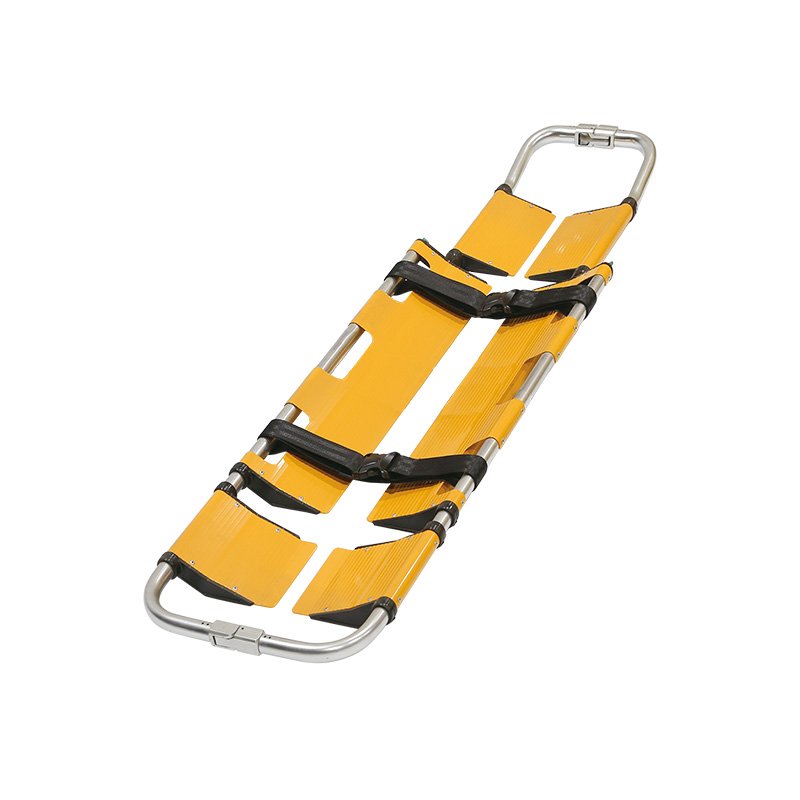
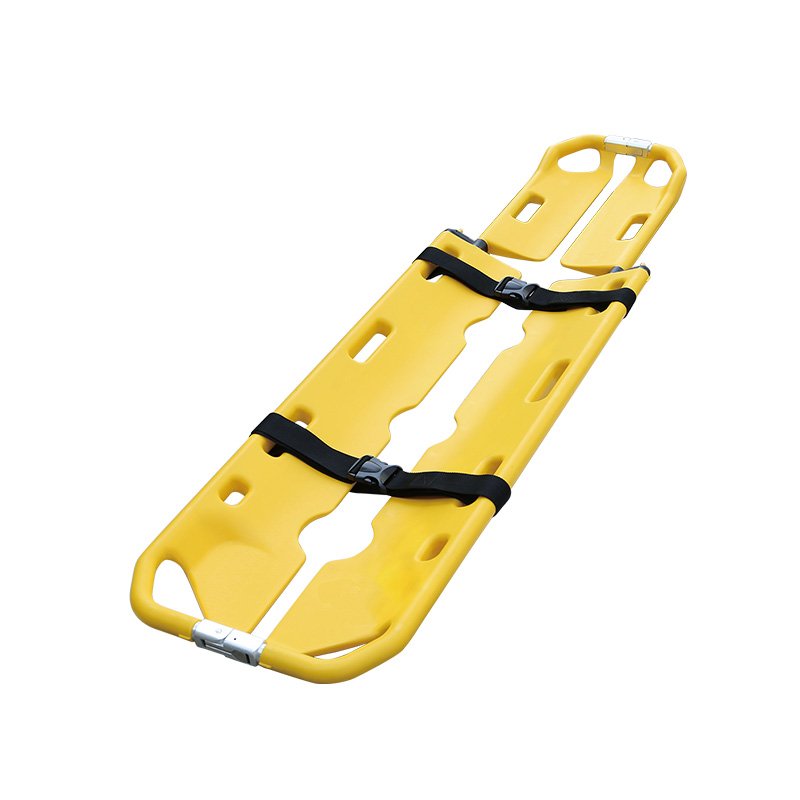
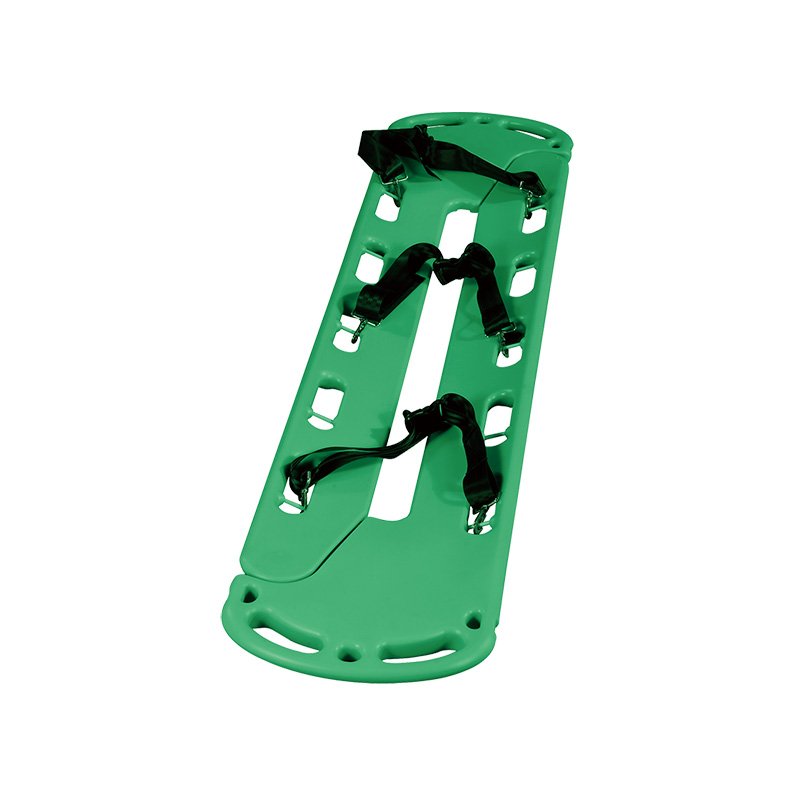
Advantages of Redleaf Scoop Stretcher

Made of aluminum alloy,HDPE or carbon fiber,Light weighted, high strength, impact-resistant.

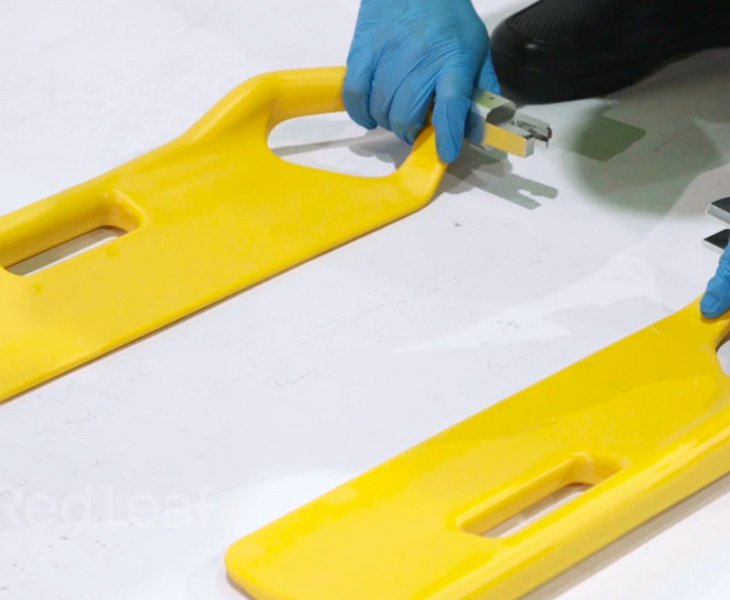
Clutch device on both ends which can separate the stretcher into left and right two parts,It can be slid directly beneath the patient.

Some scoop stretchers can undergo X-ray examination directly without the need for re-lifting the patient.

The load-bearing capacity can reach up to 205 kilograms, ensuring stability and reliability.
Separation Structure Design Reduces Secondary Injuries
The separation structure design enables the main body of the scoop stretcher to be longitudinally divided into two left and right sections. When in use, the sections are inserted under the patient’s body and then closed and locked. There is no need to move the injured person. They can be smoothly lifted from the side or from below, minimizing the potential secondary injuries that may occur during the transfer process. Achieving the goal of safely fixing the injured person and transferring them on the spot. It is the ideal choice for transporting patients with fractures and severe injuries during pre-hospital emergency care.
Rescue operations adapted to different spaces and scenarios
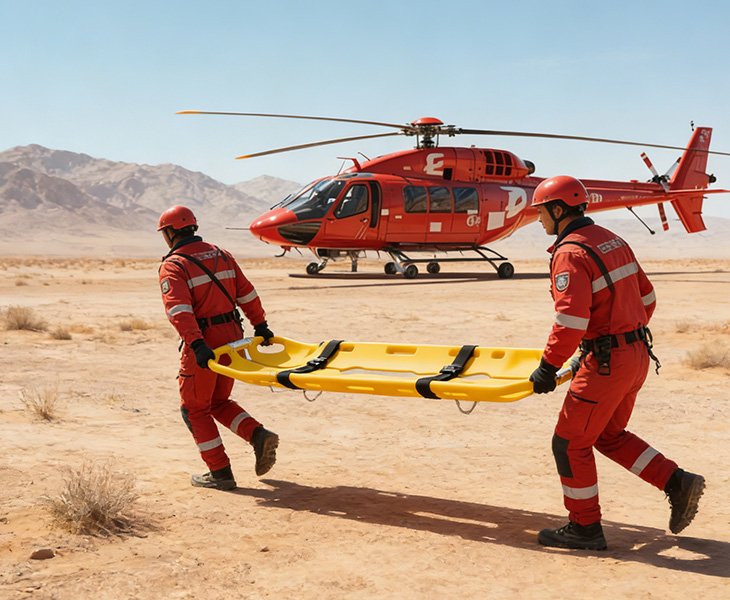
In situations where traditional stretchers, such as those in narrow spaces, with deformable carriages or in crevices of ruins, are unable to be deployed due to limitations, the unique two-piece separation design of the scoop stretcher eliminates the need for moving or flipping the patient. It can be inserted and removed directly from the side or from beneath the patient. From unfolding to safely lifting the patient, the entire process can be completed within several seconds. It reduces the risk of accidental falls or collisions in complex environments due to poor coordination, making rescue safer and more controllable. This “rapid deployment and smooth transfer” capability significantly shortens the time from on-site handling to being transported to the ambulance, providing a valuable window period for subsequent rescue efforts.
The scoop stretcher is a rescue tool specifically designed for critically injured patients who are unable or prohibited from being moved. It can slide under the patient from both sides and then be closed together, without requiring any movement of the patient’s body throughout the process. In contrast, a regular stretcher needs to lift the patient from either below or from the side as a whole.
The scoop stretcher is suitable for treating injuries caused by falls from heights, transporting patients with fractures and trauma, conducting rescue operations in confined spaces, and transporting critically ill patients within the hospital. It holds an irreplaceable value in terms of safety and adaptability to complex spaces.
- Material and Load-bearing Capacity: High strength, lightweight, and suitable for X-ray inspection.
- Locking mechanism: Whether the lock is secure and easy to operate, and whether there is a design to prevent accidental opening.
- Fixed-point integration: Are there sufficient seat belt slots and corresponding fixing devices?
- Portability: Are the weight and size convenient for carrying in vehicles and on-site?
- Certification standard: Whether it complies with the medical device certification requirements of the respective country or region