
What is Spinal Implant System?
Spinal implant system is used in spine surgery to stabilize the vertebrae when the normal structure is weakened or damaged. In real clinical situations, this often happens after trauma, degenerative disc disease, tumors, or spinal deformities — cases where the spine simply can’t hold its natural alignment anymore.
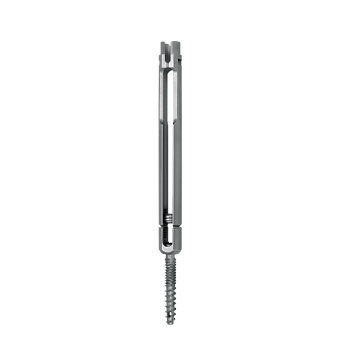
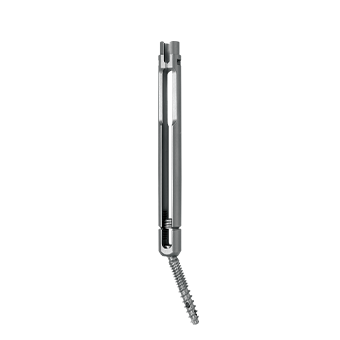
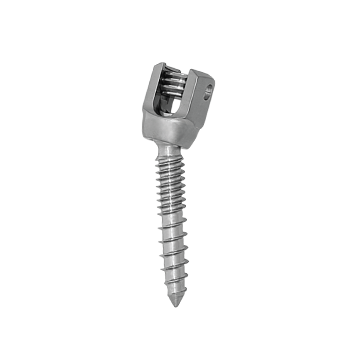
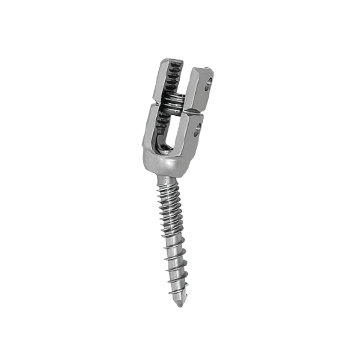
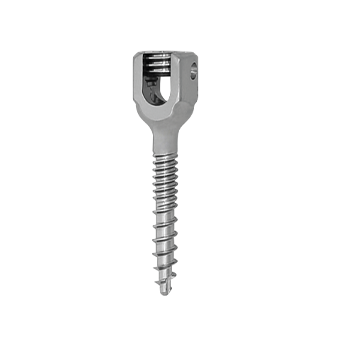
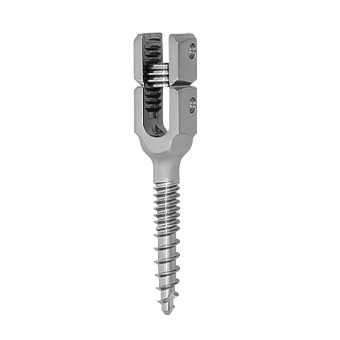
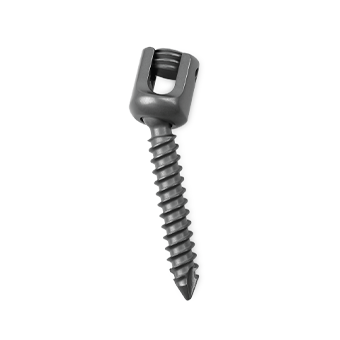
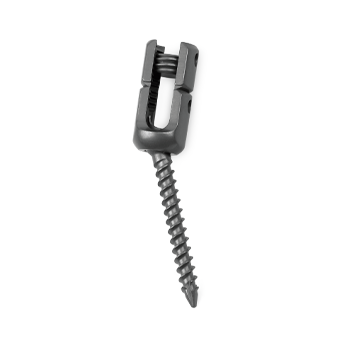
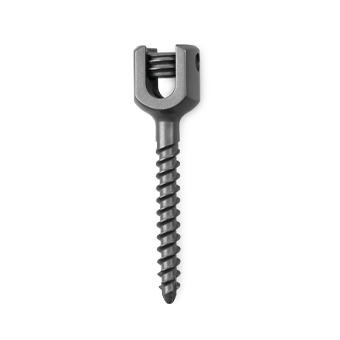
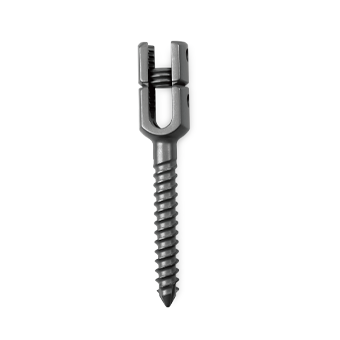
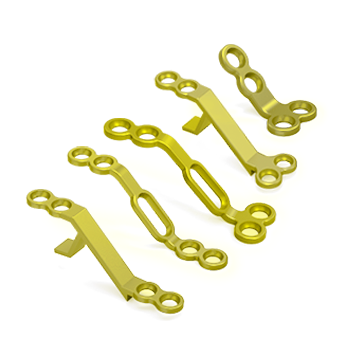
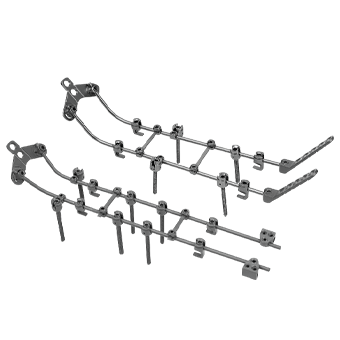
Instead of relying on a single implant, surgeons work with a complete fixation system. It usually includes pedicle screws, rods, hooks, crosslinks, and fusion devices. These parts work together like a framework, helping the spine stay stable while bone fusion gradually takes place.
In surgery, doctors use this system to restore alignment and reduce abnormal movement between vertebrae. For example, pedicle screws anchor into the vertebrae, while rods connect them to maintain overall structure — it’s a bit like building an internal support scaffold for the spine.
Most systems are made from medical-grade titanium or titanium alloy, which is commonly chosen because it’s well tolerated by the body, resistant to corrosion, and strong enough for long-term support inside the spine.
Spinal Implant System
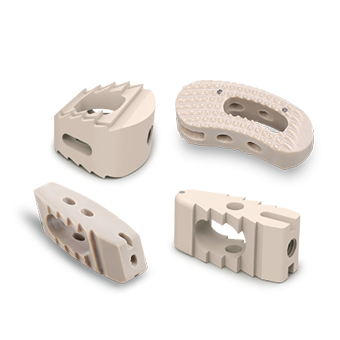
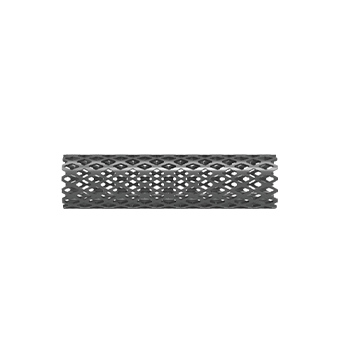
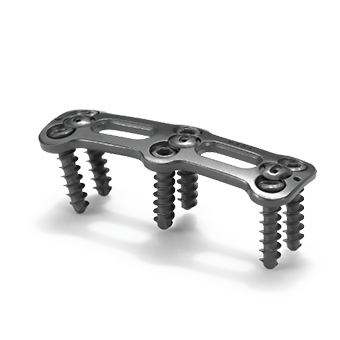
Advantages of spinal internal fixation surgery
In spine surgery, the spinal implant system is used across a pretty wide range of cases. You’ll see it in procedures like degenerative disc disease treatment, spinal fractures, scoliosis correction, spinal stenosis decompression, tumor-related reconstruction, and even infection-related instability. In short, whenever the spine loses its normal stability, this system usually comes into play.
In real hospital settings — orthopedic spine units, neurosurgery departments, trauma centers — surgeons rely on it to bring the spine back into alignment and keep it stable while bone healing happens. It’s not just about fixing the bone, but also about maintaining balance across the whole spinal segment.
What makes it clinically valuable is the mechanical support it provides. For example, in lumbar degenerative cases, pedicle screws combined with rods create a solid internal framework. This helps control movement between vertebrae and gives fusion a more stable environment to develop.
Over time, surgeons have found that reliable internal fixation tends to reduce issues like implant loosening, loss of correction, or delayed fusion. That’s also why the spinal implant system has become a standard part of modern spine surgery — it supports both trauma cases and long-term degenerative conditions, especially when stability is the key concern.