
Introduction
Selecting the right stretcher is critical in EMS operations. Varying patient injuries and transport conditions demand different stretchers. For instance, during rescues on rugged terrain, a suitable stretcher can minimizes patient movement during transit, reducing the risk of secondary injury.
In this article,i will analyze key stretcher types and help your EMS team configure appropriate stretchers.
Why Are There Different Types of Stretchers
Ambulance transfer, transportation of trauma patients, stair evacuation, field rescue and infection isolation all have different requirements for patient positioning, mobility, restraint methods and support capabilities.
Therefore, understanding the different classifications of stretchers, such as usage purposes, structural designs, operation methods, and special functions, can help you quickly determine the applicable scenarios for different types of stretchers.
Complete Classification of Stretcher Types

The ambulance stretcher is also commonly referred to as an ambulance cot or ambulance gurney in some market. It is the main platform for pre-hospital emergency transfers. It usually comes with casters, adjustable frame, adjustable backrest, patient restraint straps, foldable legs, and an interface connected to the vehicle locking system.
For your teams that need to repeatedly transfer between the scene, medical facilities, and the ambulance, the stretcher must be stable, easy to operate, and reliably locked after loading. The adjustable backrest can help patients who cannot lie flat maintain a more suitable position; electric, hydraulic, or pneumatic assisted loading can reduce the lifting load during frequent transfers and transfers of patients with large weights.
The ambulance stretcher is suitable for flat ground, sidewalks, ramps, and ambulance loading systems, but not for stairs, muddy ground, steep slopes, or rope rescue. When purchasing, the stretcher, loading device, and vehicle fixation system should be evaluated as a whole. Even if the stretcher has a high nominal load capacity, if the fixation interface is incompatible or the team cannot operate safely, the actual value will significantly decrease.

The scoop stretcher can be separated from both sides. The rescue personnel place the two parts of the stretcher on either side of the patient’s body, and then fasten them under the patient without having to move the patient first and then place them again as in the case of using a regular stretcher.
During rescue operations, if it is suspected that the patient has pelvic, hip, or spinal injuries,it is necessary to avoid moving the patient as much as possible. A scoop stretcher may be considered when minimizing patient movement is important, particularly during initial lifting or transfer of patients with suspected traumatic injuries.
Scoop stretchers are primarily designed for patient lifting and transfer rather than prolonged transport or ongoing patient care; if the expected transfer time is long, it usually cannot replace other patient fixation systems such as well equipped ambulance stretchers, vacuum mattress, or spinal boards.

The folding stretcher is a portable stretcher designed for temporary patient transport and compact storage, typically consisting of an aluminum alloy frame and a canvas or coated fabric surface. It can be folded for storage and is commonly found in schools, factories, sports venues, emergency aid points during events, and disaster emergency material depots. It can also be folded and placed in an ambulance. It is convenient to carry and suitable for storage in locations with limited space.
However, this type of stretcher has fewer functions for adjusting the patient’s position and handling the patient. Most models do not have casters, ambulance loading mechanisms, or complex adjustment functions. It is more suitable for short distance transportation rather than being the main stretcher for regular ambulance services.
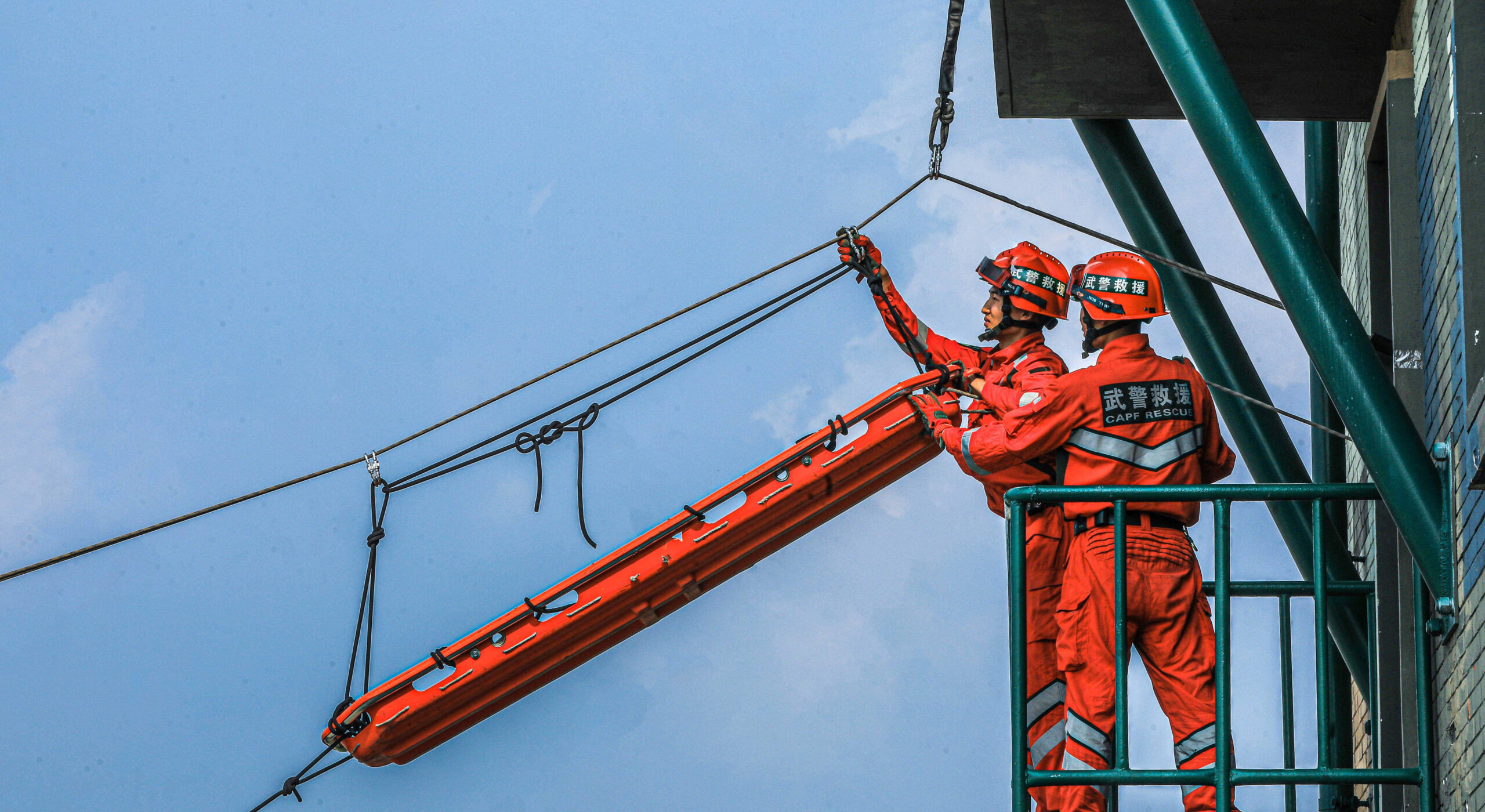
The basket stretcher features a rigid frame and side wall structure, providing more stable support and fixation for patients. It is mainly used in environments that ordinary wheeled stretchers cannot reach, such as mountains, industrial sites, shafts, narrow spaces, water areas, and high-altitude rescue operations.
If your client is involved in technical rescue projects, you need to pay special attention to the structural strength of the stretcher, the patient fixation system, the lifting connection points, and the compatibility with existing rescue equipment. These design details will directly affect the actual use in vertical lifting, horizontal lifting, or complex terrain transportation.
The basket stretcher is not suitable for ordinary ward transfers or daily ambulance tasks. Its advantages come from its ability to adapt to special environments, rather than its convenience for daily operations. Therefore, when purchasing, you should choose based on the actual rescue tasks of the client, rather than simply pursuing more functions.
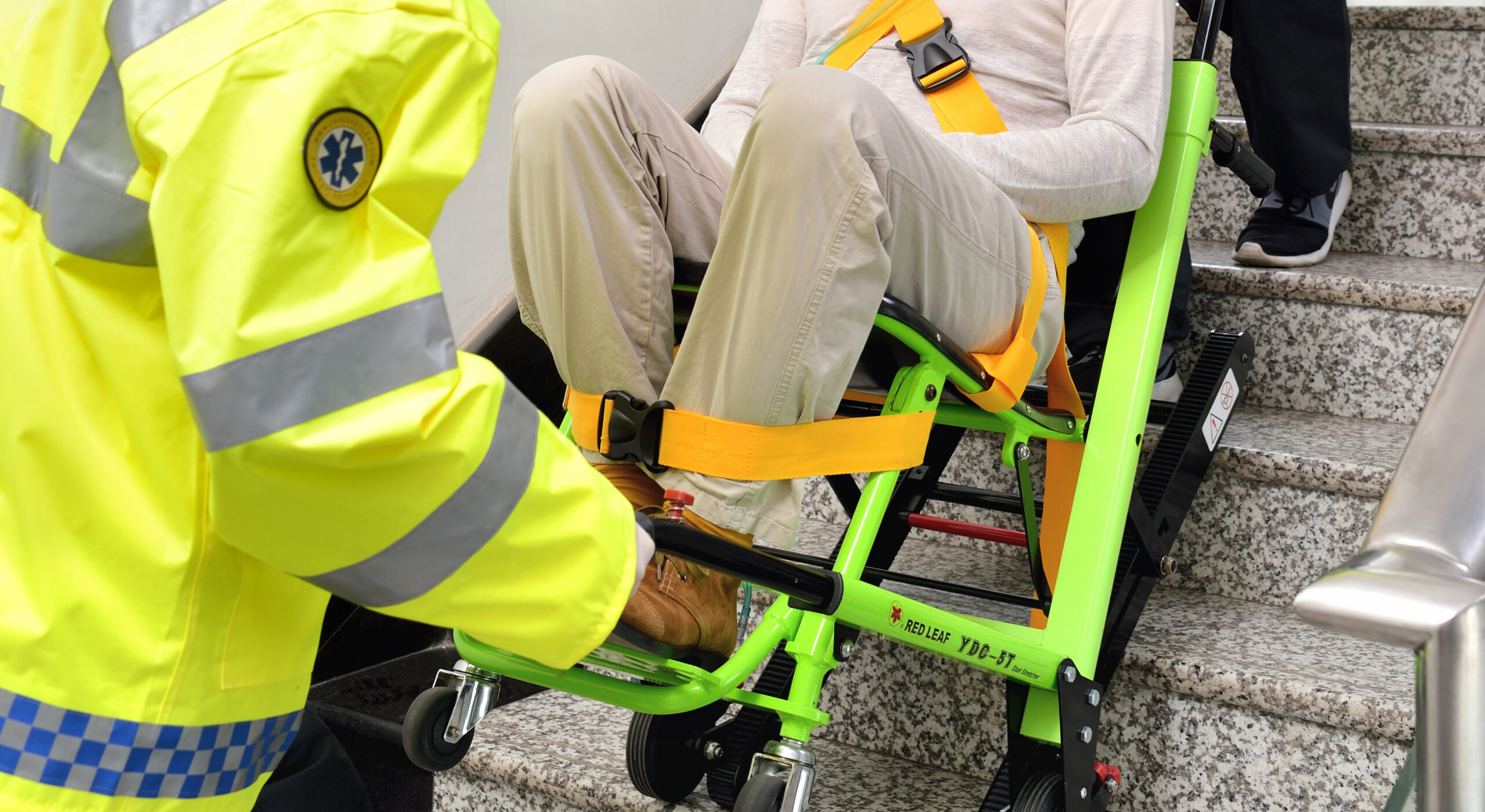
The stair stretcher mainly addresses which is how to complete the transfer of a patient when they cannot use a regular stretcher to pass through stairs or narrow spaces.
In hospitals, emergency centers, and during fire emergency rescue operations, stairs and narrow passages are often the most difficult parts of the patient’s transfer. Different types of stair chairs can use wheel sets, tracks, or sliding rails to assist rescue personnel in completing the stair transfer.
It should be noted that if the patient must remain in a supine position, requires continuous spinal fixation, or the condition is not suitable for sitting transfer, then the stair stretcher may not be a suitable solution for the transfer.
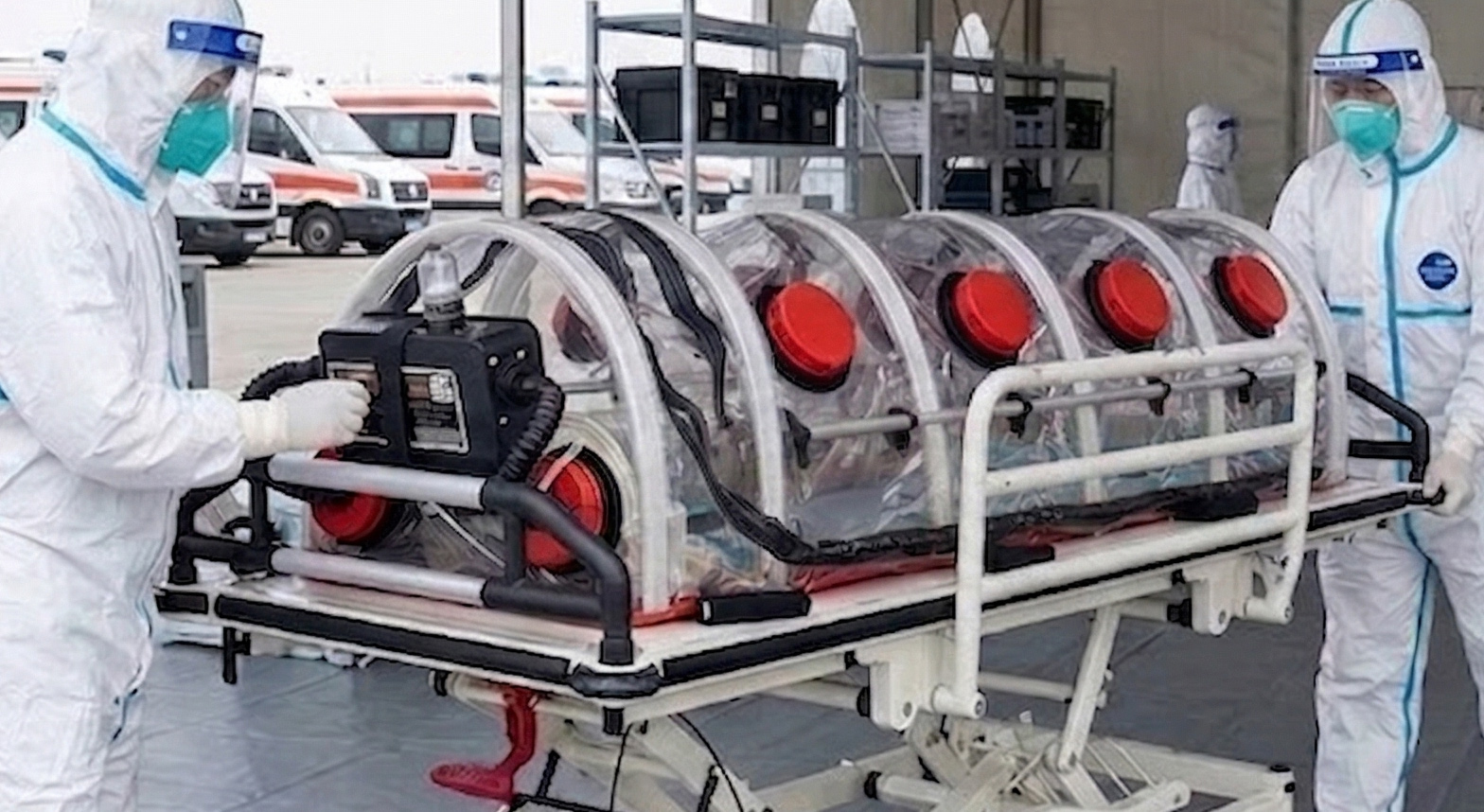
The isolation stretcher is mainly used for transporting patients with infection or contamination risks. It features a sealed isolation cabin, a transparent cover, operation interfaces, and a controlled airflow or pressure system, creating a relatively controlled transportation space between the patient and the external environment.
The isolation structure, sealing performance, pressure control method, operation interface, battery endurance, and cleaning and disinfection requirements all need to be taken into consideration. Such equipment is more complex than ordinary stretchers and has stricter operation procedures. Therefore, the isolation stretcher should not be regarded as an upgraded version of the ordinary stretcher. Instead, its configuration for your EMS team should be determined based on whether there is truly an infection control and special transportation need.

The mortuary stretcher is made of an aluminum alloy frame and is used for transporting bodies in hospitals, morgues, funeral service institutions, forensic departments, and disaster response teams.
In addition to considering its load capacity, attention should also be paid to factors such as cleaning and disinfection, transfer height, turning radius, and compatibility with elevators, vehicles, and storage systems.
Especially for hospitals and funeral institutions, whether the mortuary stretcher can smoothly enter elevators, refrigerated areas, and transportation vehicles is very important.
Comparison of Different Stretcher Types
When comparing and selecting different types of stretchers, it is recommended to make a comprehensive judgment by considering the required usage scenarios, the patient’s condition, the transportation environment, the load capacity, the operation method, and the compatibility of the emergency equipment.
Types | Application | advantage | Limitation |
Ambulance stretcher | EMS ambulance transport | Easy loading,patient positioning,Vehicle system compatibility,mobility | compatible with the ambulance system |
Scoop stretcher | Trauma patient transfer | minimize unnecessary patient movement | Not intended for prolonged transport |
| Folding stretcher | Emergency temporary transfer | Portable,easy to store,narrow spaces transfer | Limited positioning and transport functions |
Basket stretcher | Difficult terrain rescue | Suitable for lifting, towing and in special terrains | Not applicable for daily transportation |
Stair stretcher | Stairways lifting | Convenient for loading stairs and narrow spaces transfer | application scenarios are rather limited |
| Isolation stretcher | Infectious patient transfer | Support isolation and transfer measures to reduce the risk of cross exposure | weight, cost and operational complexity |
| Mortuary Stretcher | Deceased patient transfer | safe body transfer,easy cleaning | Not applicable for the ordinary patients transfer |
Which Stretcher Type Is Best for Different Applications
When choosing the type of stretcher to purchase, you should first consider the final usage scenario, and then based on the method of patient transportation, the environment and operational requirements, select the appropriate stretcher.
Rescue Scene | Recommended Stretcher Type | Why Fits |
Routine EMS transfer | Ambulance Stretcher | Supports patient transfer, positioning, and ambulance loading for frequent use |
pelvic, hip or spinal injuries patient | Scoop stretcher | place on both sides of the patient to helps reducing unnecessary movements during the transfer |
First-aid stations, sports venues and emergency stockpiles | Folding Stretcher | Easy folding, store and through the narrow space |
Mountain, water, rope rescue | Basket Stretcher | Suitable for complex terrains vertical and horizontal lifting |
| stairways, and narrow passages | Stair Stretcher | lifting the stairs and transporting within the confined space |
Infection control transfer | Isolation Stretcher | Provide a safe transportation environment through positive and negative pressure isolation |
| Death patient transfer and funeral services | Mortuary Stretcher | Design for secure and hygienic deceased patient handling,easy to cleaning |
How to Choose the Right Stretcher Type
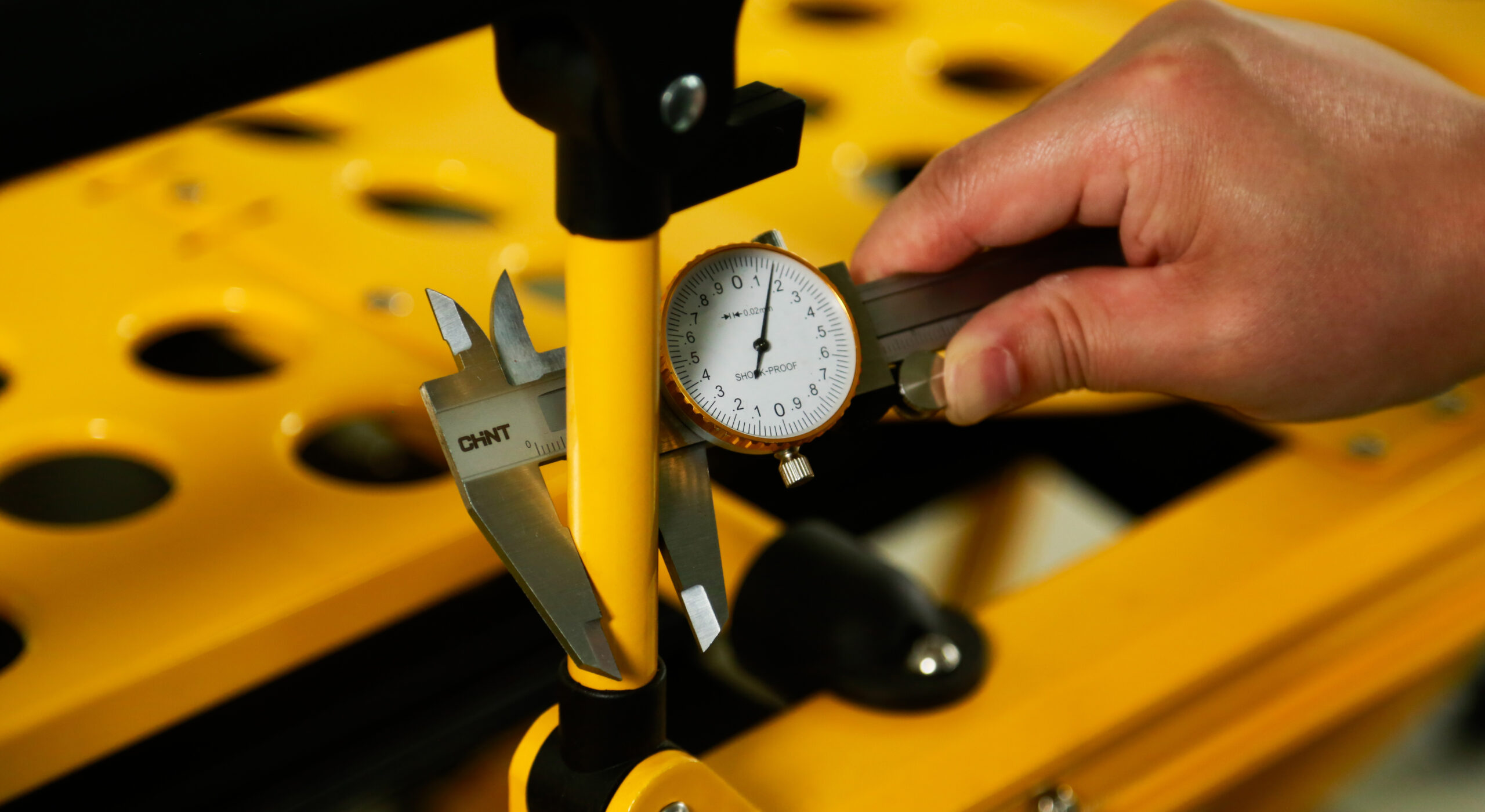
Choosing the appropriate stretcher cannot be based on a single specification. Therefore, after determining the intended application of the stretcher, you also need to make a comprehensive judgment by considering the patient’s condition, transportation environment, the material and load capacity of the stretcher, operation method, compatibility with ambulance or other medical equipment, as well as relevant industry standards. In addition, the product’s accessories, spare parts supply, and after sales support should also be taken into account to ensure that the selected stretcher model can meet the actual usage and long term purchasing needs.
FAQ
1.Why choose powered stretchers?
Powered stretchers are suitable for EMS scenarios where the height of the stretcher needs to be adjusted frequently. The electric hydraulic system can assist rescue personnel in smoothly raising and lowering the stretcher, making it easier for patients to transfer between the stretcher and the ambulance or hospital equipment, and reducing the physical burden on medical staff. When you choosing a powered stretcher, one should consider the usage scenario, operation frequency, maintenance conditions and budget comprehensively.
2.What materials are commonly used to make stretchers?
Common stretcher materials include aluminum alloy, stainless steel, plastic and carbon fiber. Aluminum alloy is widely used for the frame of stretchers due to its light weight, high strength and corrosion resistance. Plastic material is often used in stretcher types such as scoop stretchers, spinal boards or mountain rescue stretchers. The specific material selection usually depends on the usage scenario of the stretcher, the load capacity requirements and the durability needs.
3.Can stretchers be used for both adults and children?
Most stretchers are suitable for both adults and children,they are equipped with adjustable lengths, safety belts or posture adjustment functions. The scoop stretchers are designed specifically for adults or children. Before purchasing, you need to confirm the applicable age, weight range and safe carrying capacity indicated on the stretcher.
4.What is the difference between a stretcher and a gurney?
Gurney is usually a type of stretcher, but not all Stretchers are Gurney. Stretcher is mainly used in emergency situations, rescue operations, and in-hospital transfer. Gurney typically refers to a patient transfer bed with wheels, which has better mobility and stability. It usually allows for functional adjustments such as bed surface height and backrest, and is more suitable for frequent transfers within the hospital.
5.How do I choose a stretcher supplier?
When choosing a stretcher supplier, you should prioritize those who can provide specific technical parameters, test data, warranty terms, accessories, training and delivery schedules. Additionally, it is crucial whether the supplier has a stable capacity for bulk supply,offer product certifications and technical documents that meet the requirements of the target market.

Complete Stretcher Solutions from REDLEAF
REDLEAF offers a complete stretcher solution covering pre-hospital emergency care and in-hospital transfer, helping you select the appropriate stretcher types based on different scenarios. We focus on product structure, secure fixation, ease of operation and equipment compatibility. At the same time, REDLEAF provides batch supply, product configuration and technical training services, offering stable purchasing support to importers, distributors and medical institutions.