

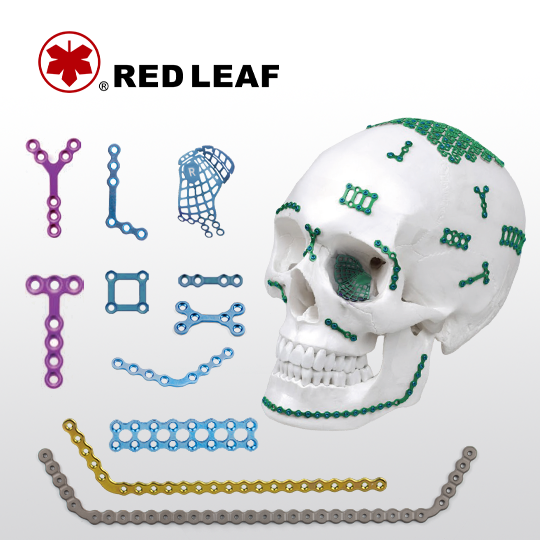




What Makes REDLEAF Maxillofacial Implant Stand Out?
- 35 years of precision manufacturing by the original manufacturer
- The professional Maxillofacial Implant medical team provides technology and design.
- Provide customized services to meet different clinical needs.
- Focused on the research and manufacturing of orthopedic Maxillofacial Implant systems.
- We offer global distributors 24/7 online technical support and efficient logistics services.
- Looking forward to achieving long-term cooperation and win-win cooperation ecosystem with you
Professional Maxillofacial Implant Manufacturer for Global
As a professional manufacturer integrating research and development, production, and sales, REDLEAF focuses on developing high-performance Maxillofacial Implant Plate systems, providing stable and reliable internal fixation solutions for clinical surgical scenarios such as maxillofacial trauma fractures, orthognathic surgery, and reconstructive surgery.
We can provide customized services to meet your various orthopedic implant needs. Help you solve various clinical surgical scenarios.
Classification Of Maxillofacial Implant
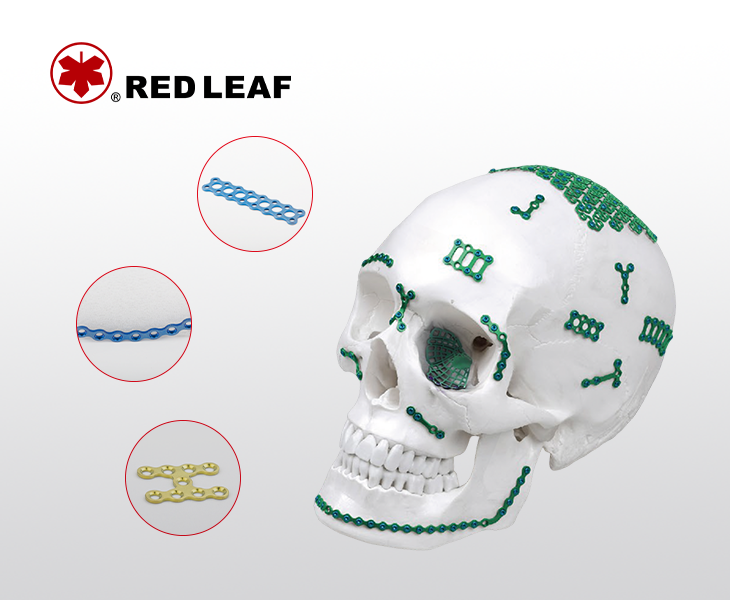
REDLEAF offers a comprehensive portfolio of metal cranio-maxillofacial implant plate systems and companion surgical consumables. Clients can select from multiple model specifications (1.5/2.0/2.4mm). Each specification is color-coded for easy surgical identification by clinicians.
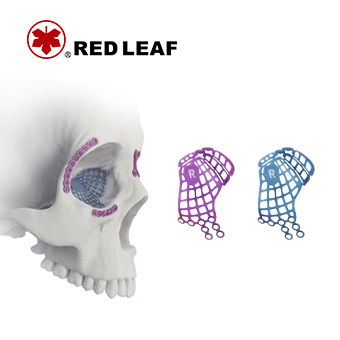
Designed based on the anatomical structure of the eye socket, the shaping process is reduced, saving surgical time.
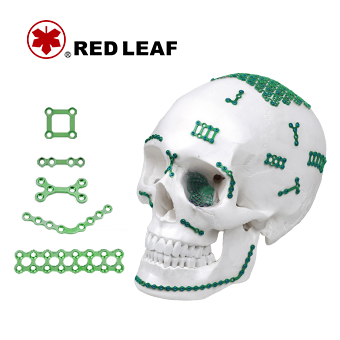
Suitable for forehead, nose, eye sockets, upper jaw, and craniofacial bones in children.
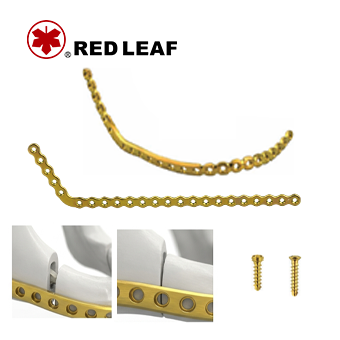
Reconstructive maxillofacial anatomical designs are often suitable for comminuted fractures of the mandible.
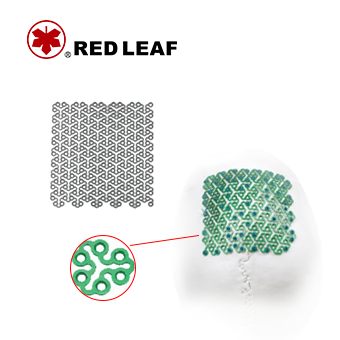
Suitable for repair and reconstruction in neurosurgery, with strong plasticity and a better fit to the anatomical morphology of the skull.
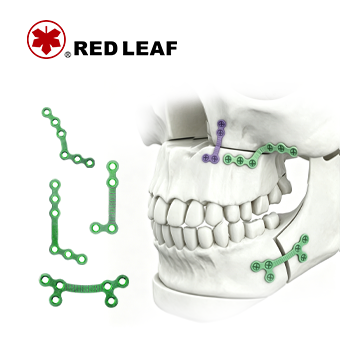
Used for orthodontic anchorage and maxillofacial ligation, the screw cap has two holes for easy insertion of the wire.
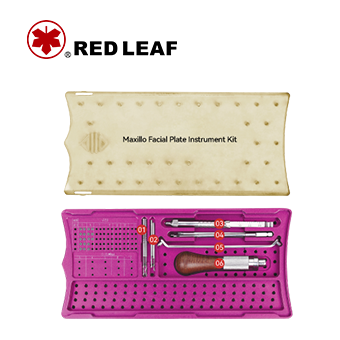
With complete supporting equipment, it provides a one-stop solution for maxillofacial surgery.
Advantages Of Maxillofacial Implants
As a source production factory, we provide customers with high-quality, cost-effective, and biocompatible craniofacial implant surgical products.

The surface of titanium alloy is treated with anodizing to improve the hardness and wear resistance of the jaw panel.

Design Maxillofacial Implants of different shapes and thicknesses based on the anatomical morphology of human facial bones, such as L-shaped/Y-shaped

The titanium mesh of maxillofacial implants adopts a unique pattern design, making it easier to form in three dimensions.

Made of medical grade titanium alloy, it has excellent biocompatibility, and is suitable for long-term implantation.
Minimal Shaping, Better Fit
The maxillofacial implant anatomical orbital floor plate mesh is designed to restore normal eye shape and function. It is mainly designed and formed based on the anatomical structure of the orbital base and medial side. The anatomical and lobed shape design minimizes the amount of shaping work for clinicians, saves surgical time, and ensures the safety of patients after ophthalmic surgery.
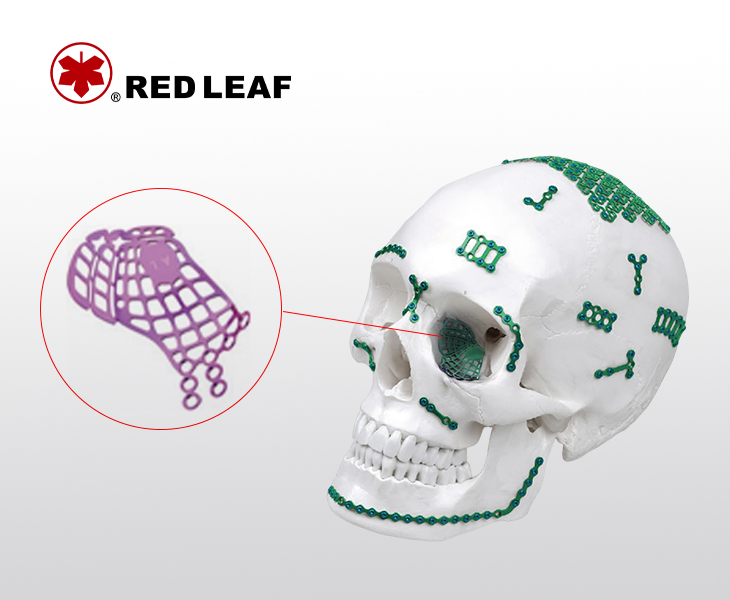
High Efficiency Maxillofacial Fixation
The plate used in maxillofacial implant fixation surgery is usually made of specially customized pure titanium. This material has a more uniform grain size distribution, good biocompatibility, and does not affect postoperative X-ray/MRI/CT examinations.
Maxillofacial implant plates features a unique sunken design, which allows for a tighter fit between the plate and screws during surgery, resulting in a lower incision and reduced irritation to soft tissues.
Maxillofacial implant plates are made using anodizing. Different thicknesses of the oxide layer will refract different colors, which serves as a marker for different series to facilitate the doctor’s operation
Product Resource Download

This article can describe the technical features of the locking plate, including its working principle and applicability, which can helps you provide some reference for clinical practice.

A video demonstration of the locking plate can visually demonstrate the use of the locking plate and related equipment, showcasing product performance and operation process.

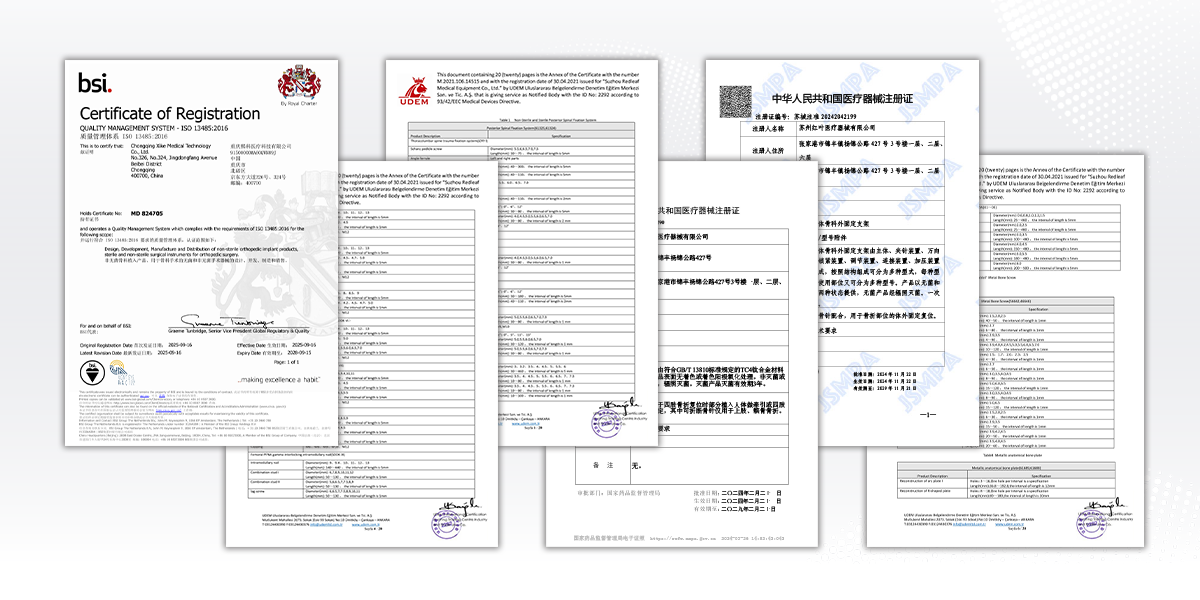
We can provide you with ISO international certification documents, product testing reports, or other documents to assist you with distributor registration and government bidding.
A Trustworthy Orthopedic Manufacturer
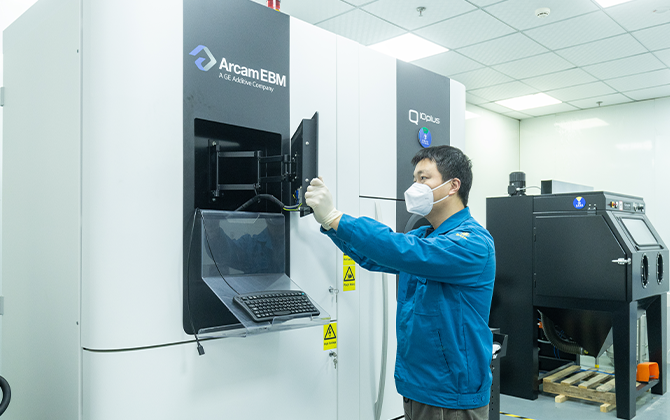
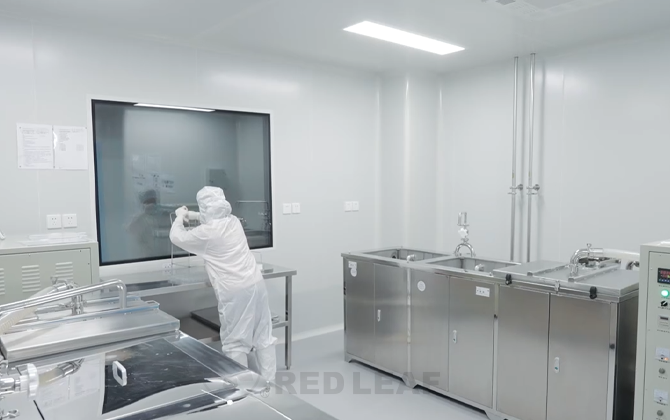
We have been deeply involved in the field of orthopedic implants for decades, and our actual industry experience has never been built on slogans. We have professional R&D experts, and all steel plates are designed to fit the anatomical shape of the human body, making them safe and reassuring to use. This is also our confidence in serving you.
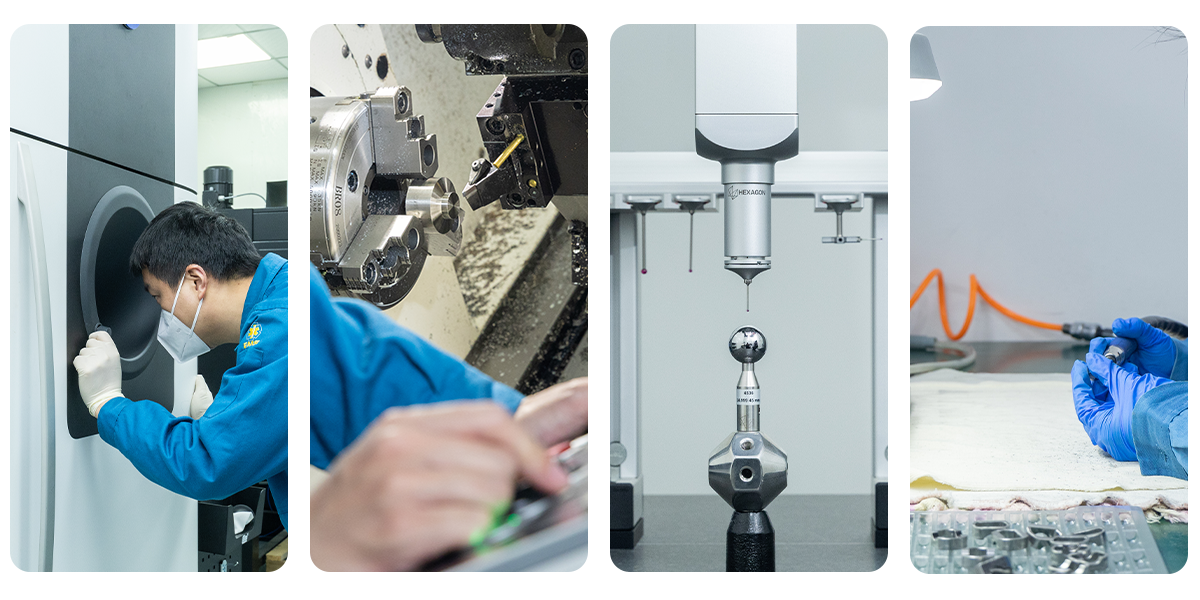
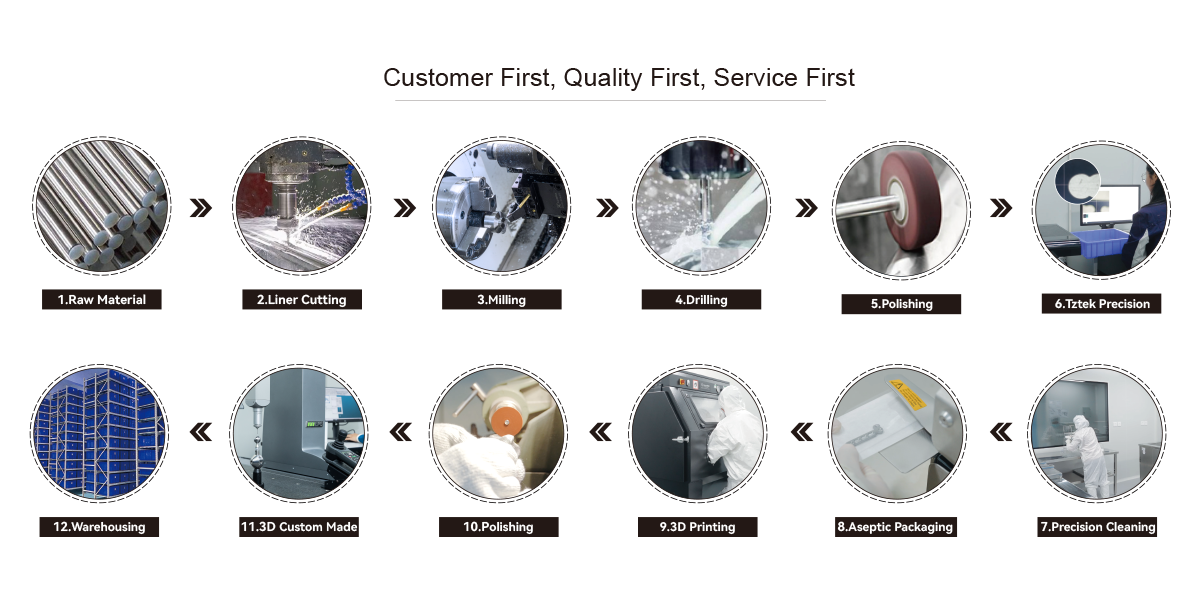
All products undergo strict testing from the raw materials entering the factory, followed by CNC precision machining, polishing, cleaning, packaging, and complete quality control at every stage, in order to provide stable, safe, and reliable orthopedic implant products to global customers.
Example of Maxillofacial Implant Solution
We are available 24 hours a day and welcome partners from around the world to contact us. Below are some application cases of Maxillofacial Implant in actual surgical processes that we have collected. Please take a look
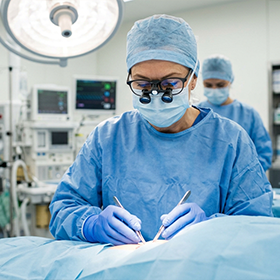
In cases of severe trauma, such as a depressed skull fracture after a traffic accident, surgeons can perform open reduction surgery to elevate the fracture fragments and restore the skull shape. During the surgical process, the combination of titanium mesh and screws can accurately fix the skull, and corresponding titanium plates can also be added to improve the stability of the bone structure. This fixed combination is suitable for complex skull reconstruction and facial bone defects.
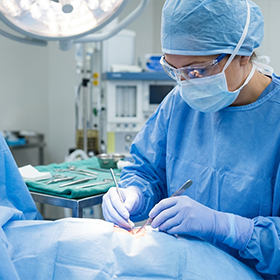
Patients with eye and orbital plate injuries may experience eye contractions, so when performing orbital floor reconstruction surgery, attention should be paid to whether it will affect the optic nerve and other structures. Surgeons can use maxillofacial Anatomical Orbital Floor Plates combined with self tapping screws (1.5mm × 4-6mm) to achieve stable fixation of the face. This surgical approach can restore orbital volume and improve postoperative oculomotor function, and is welcomed by trauma surgery and clinics.
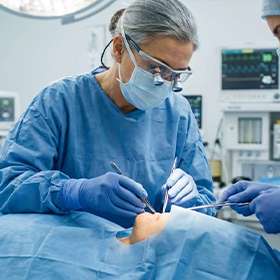
Orthognathic surgery often occurs in cosmetic clinics, such as Lefort osteotomy/sagittal split osteotomy/chin shaping surgery, which can be used to improve hvpoplasia of the maxilla, mandibular hypoplasia,appearance of jaw, and obstructive sleep apnea syndrome.Due to the special nature of maxillofacial implants, minimally invasive implant plates that are thinner and conform to bone contours can be customized according to needs, and are widely used in hospital trauma surgery and cosmetic institutions.

Welcome To Learn About Us
- Factory Photos
- Certificate Image
- Process Flow
Real feedback from global customers
In hospital procurement, we not only value clinical efficacy, but also the reliability of supply. REDLEAF’s maxillofacial implant system has received positive feedback from surgeons.The plate contouring is efficient, and the screw fixation remains stable during follow-ups. Moreover, REDLEAF also provides various certification documents related to the product, which greatly facilitates my work.
 Elena Petrovarocurement Manager, Russia
In the beauty industry, our top priorities are surgical outcomes and patient comfort.REDLEAF implants are designed with thin steel plates, which can reduce postoperative accessibility and improve patient satisfaction.Based on our cases, the system supports stable healing and natural contour restoration, especially in orthognathic and facial contour procedures.
 Dr. Sophie LaurentClinic Owner, France
The maxillofacial implant anatomical orbital floor plate is designed specifically for eye health and is mainly used to repair facial structural defects caused by eye trauma, fractures, congenital malformations, and other reasons.
Maxillofacial implant titanium mesh for maxillofacial region is lightweight, high-strength, and chemically stable, representing the best combination of hardness and flexibility.
In recent years, the market demand for maxillofacial implant surgery has been increasing, especially in the beauty industry, where more and more women are using this surgery to change facial features.
Craniofacial correction implants are mainly used for surgical procedures of traumatic injuries and reconstruction of facial/cranial bones. For example, maxillofacial trauma system, maxillofacial reconstruction system, orthognathic surgery system, and so on.
The product is compatible with general maxillofacial surgical instruments and comes with a dedicated instrument kit,meeting the needs of the entire surgical process, including drilling, fixation, and shaping.
The function of Maxillofacial Implant
Maxillofacial surgery has evolved from early empirical external fixation and intermaxillary ligation to modern standardized and precise systems. Over a century of technological iteration has revolutionized maxillofacial internal fixation, progressing from “simple fixation” to “minimally invasive fixation,” and entering a mature stage characterized by precision, minimal invasiveness, and versatility.
To date, the development of anatomical design, locking mechanisms, minimally invasive machinery, and 3D modeling has further enhanced its application. The scope of maxillofacial internal fixation surgery has expanded from simple fracture fixation to orthognathic surgery, maxillofacial reconstruction, and other fields, forming a comprehensive clinical diagnosis and treatment system.
Development of Maxillofacial Implant Technology
The popularization of the AO internal fixation theory provided a scientific basis for maxillofacial fixation. In the late 19th century, German surgeons pioneered the use of metal plates and screws for internal fixation of mandibular fractures, marking the beginning of open reduction and fixation for maxillofacial fractures.
Subsequently, the widespread use of titanium alloy implants and anatomical designs led to the expansion of maxillofacial implants from simple fracture fixation to multiple fields such as jaw reconstruction, orthognathic surgery, and maxillofacial defect repair. To this day, the application of maxillofacial plastic surgery techniques in clinical surgical procedures continues to increase.