
Introduction
Selecting the right ambulance stretcher is of vital importance for EMS transportation. The stretcher for ambulance not only needs to securely carry the patient but also should facilitate the movement, position adjustment, loading and unloading of the patient, as well as the fixation of the patient within the vehicle. Due to the differences in ambulance configuration, patient needs, and usage environment, the structure and functions of the stretcher will also have different requirements. This article will introduce the main types and features of ambulance stretchers, and based on actual usage and procurement needs, help your EMS team configure the appropriate ambulance stretcher.

Types of Stretchers for Ambulances
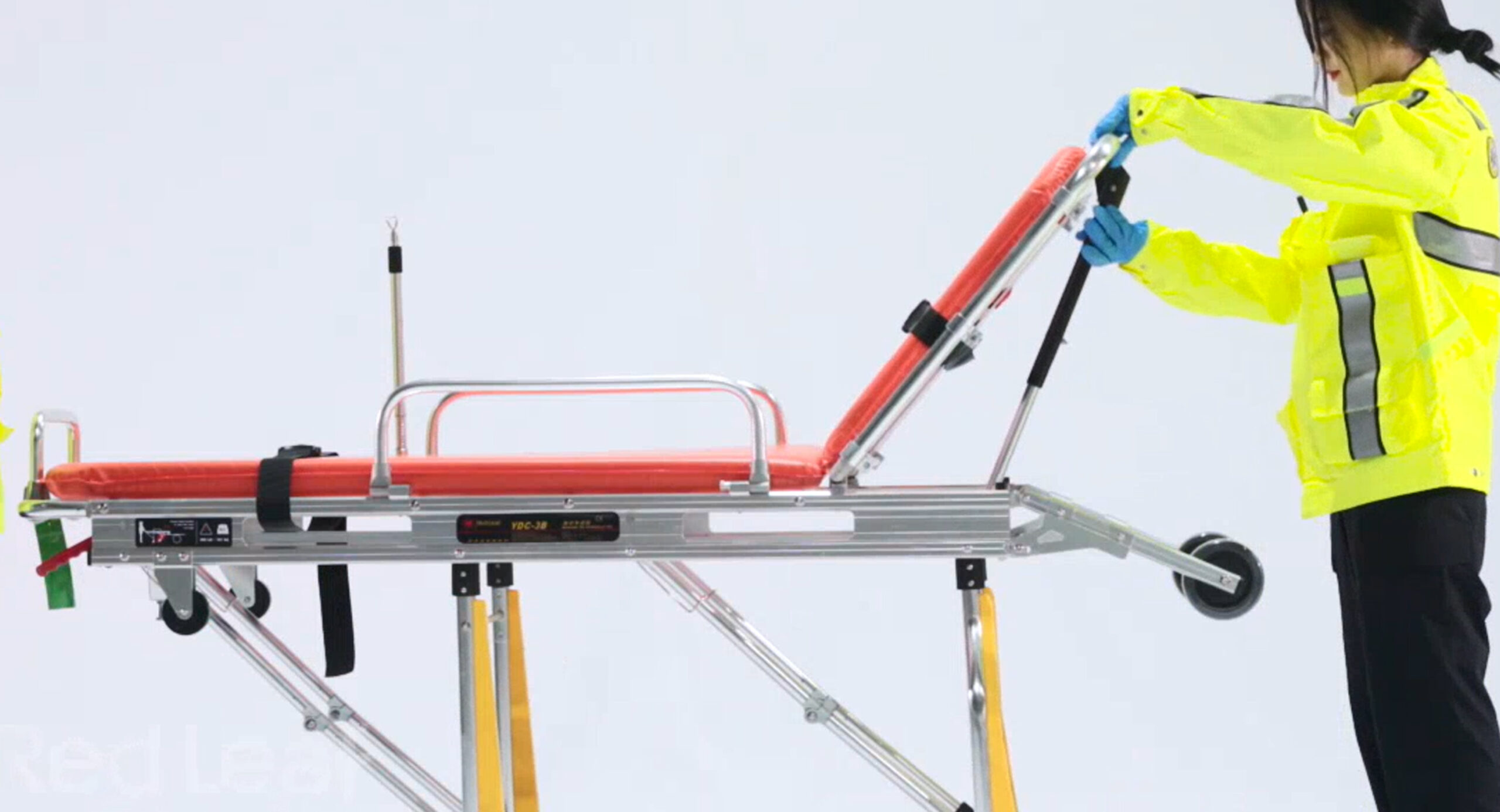
Manual Stretcher
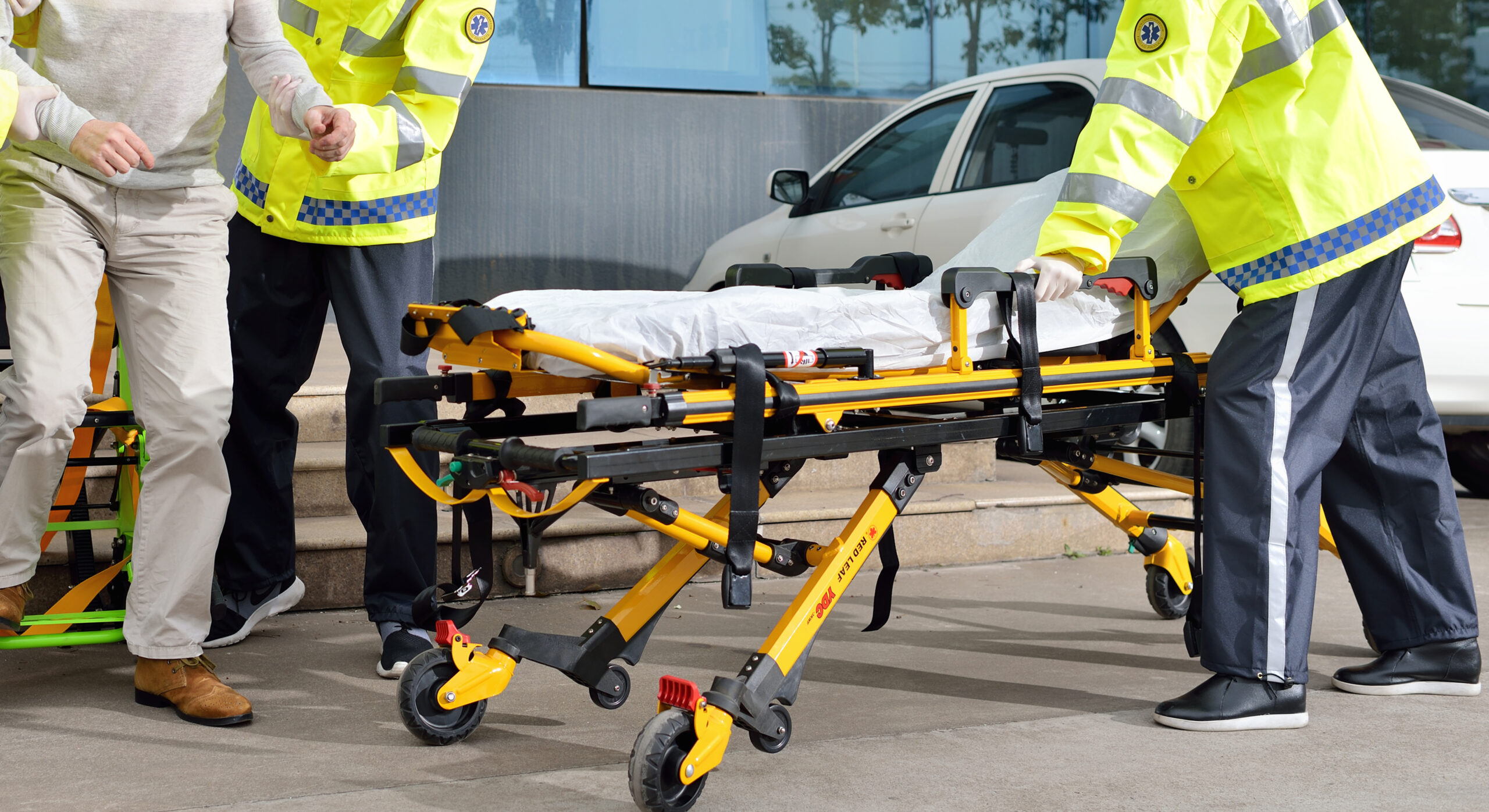
The manual stretcher mainly relies on mechanical linkage and EMS personnel to achieve height adjustment, patient position adjustment, and ambulance loading. Many models feature foldable or retractable bases. When the stretcher is pushed into the ambulance, the legs will fold or retract in the designed sequence to complete the loading.
Common configurations include metal or aluminum alloy frames, adjustable backrests, loading wheels, retractable bases, swivel wheels, brakes, side guardrails, safety belts, mattresses, and compatible fixers for ambulances.
If your budget is limited and the frequency of transportation is not high, a manual stretcher is usually a more practical choice. It has no complex electrical components and does not rely on battery charging. However, height adjustment and loading require more physical effort from the ambulance personnel. This is particularly evident when dealing with heavier patients, loading into a higher ambulance, or when multiple transports are required.
Powered Stretcher
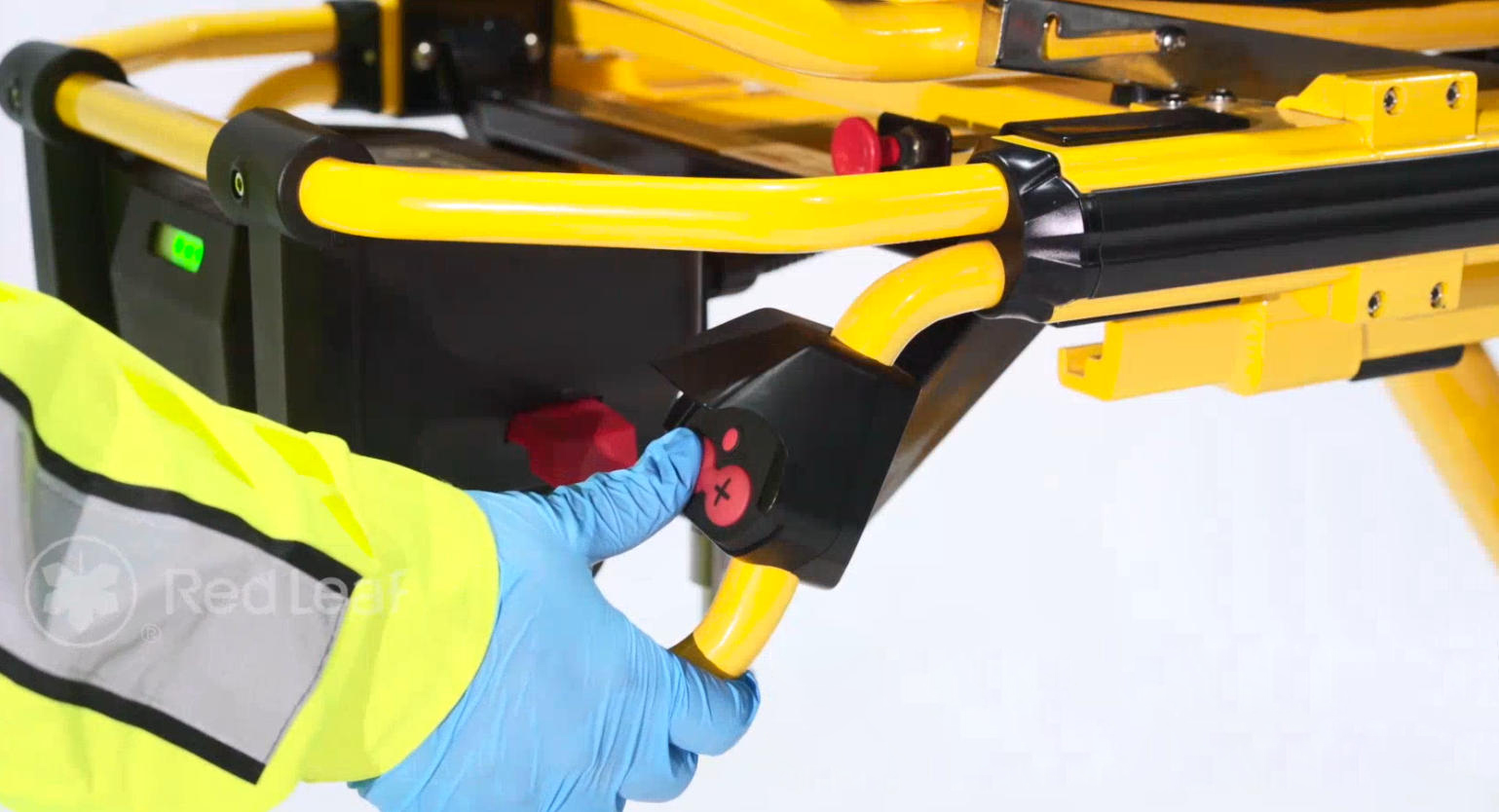
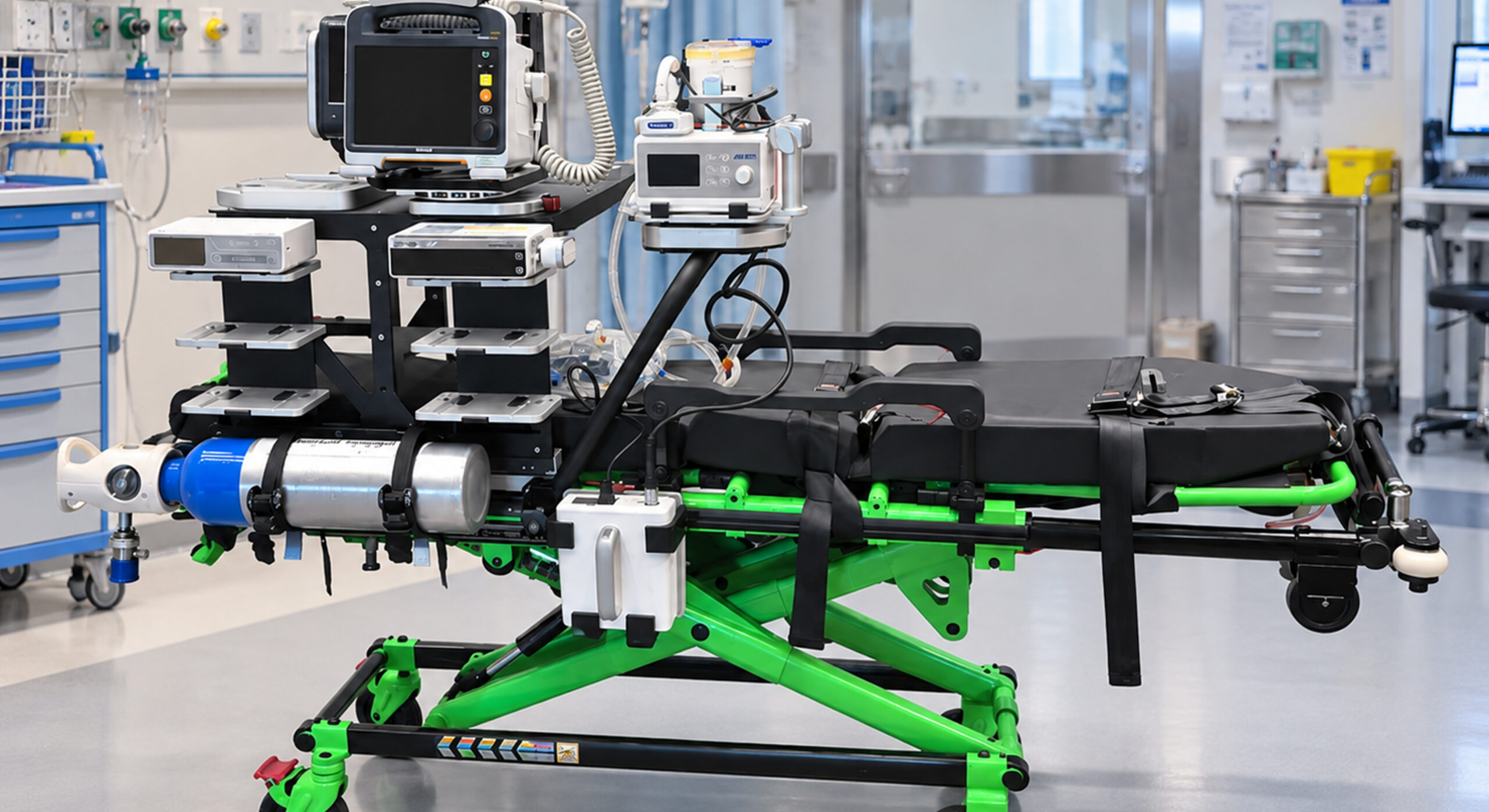
The powered stretcher as the core load-bearing platform for critical care transport. Utilizing an electric hydraulic lifting system, infinite height adjustment, and smooth lateral patient transfer capabilities, it facilitates the safe inter-departmental transport of critically ill patients. It can precisely dock with various medical beds, reducing secondary injuries caused by patient handling. This ensures the continuous operation of life support equipment during transit, facilitates emergency interventions en route, and significantly alleviates the physical strain on medical personnel, thereby establishing a continuous and secure transport pathway for critical patients.
The electric stretcher typically consists of an electric lifting system, control device, batteries and chargers, emergency release or manual backup mechanism, patient safety belt, side guardrails, and compatible ambulance fixation system. However, it also implies higher procurement costs, greater equipment weight, charging requirements, and more components that need maintenance.
Manual stretcher vs. Powered Stretcher
Comparison | Manual Stretcher | Powered Stretcher |
Operation | Mechanical manual | Battery powered |
Loading | Requires more manual effort | Reduce lifting effort |
procurement cost | Generally lower | Generally higher |
Physical workload | Higher | Lower |
Power requirement | None | Battery and charging required |
| Maintenance | Relatively simple | More components to maintain |
| Suitable for | Routine EMS transfer | High frequency transportation & Critical patient transfer |
Key Features of Ambulance Stretcher
The ambulance stretcher is mainly used to complete the entire pre-hospital transfer from moving the patient from the scene, loading them into the ambulance, to delivering them to the hospital. Compared with ordinary stretchers, it not only needs to meet the basic requirements for patient carrying and movement, but also needs to cooperate with the ambulance to ensure the safe movement, body position adjustment, loading and transfer of the patient.
Easy Loading
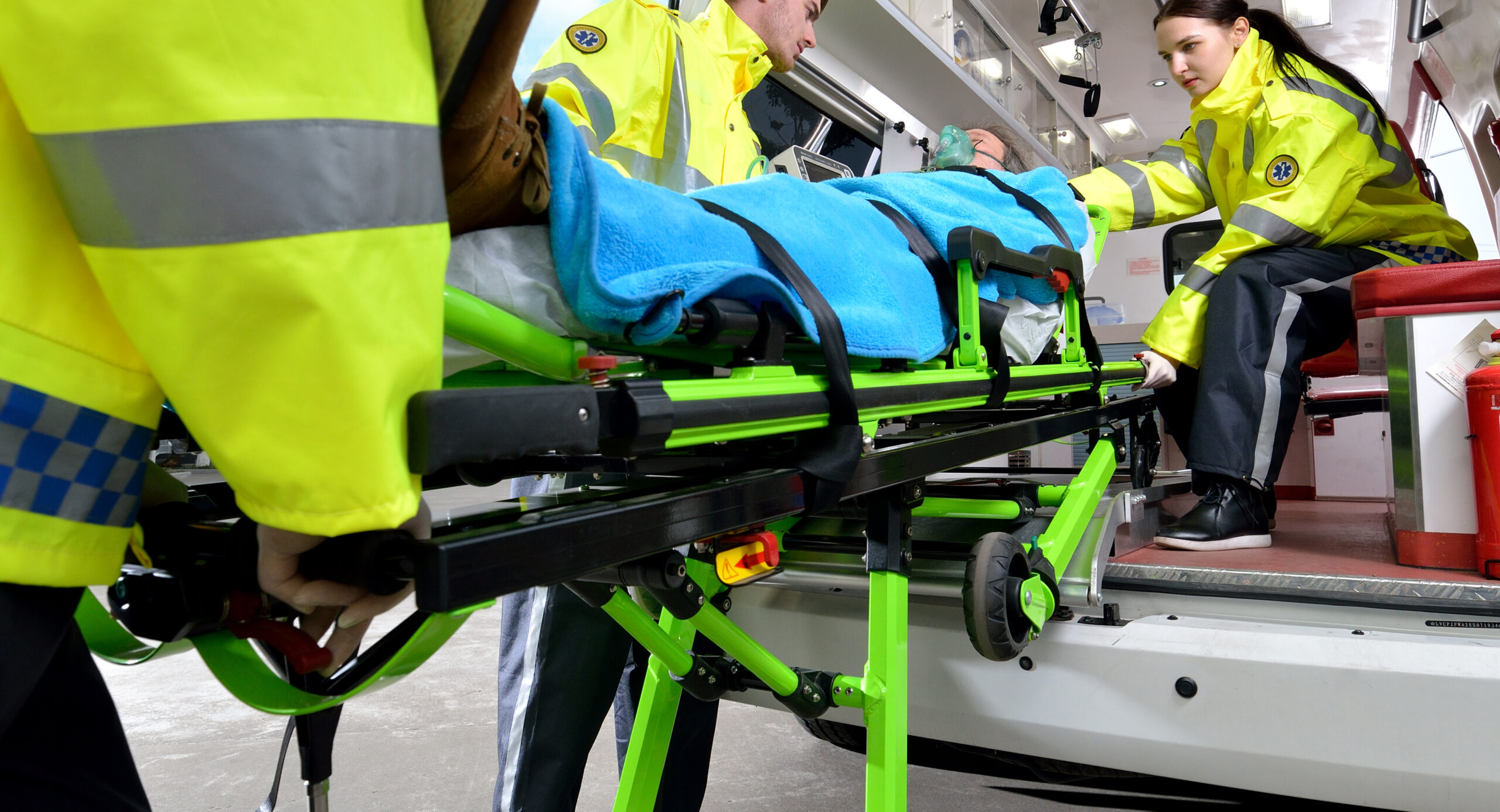
Easy loading and unloading is one of the most important functions of ambulance stretchers. The stretcher needs to move smoothly between the ground and the ambulance, avoiding causing secondary injuries to the patient during the movement, while also minimizing the physical burden on the medical staff during the loading and unloading process.
Depending on different designs, when the stretcher is pushed into the ambulance, the base frame can be folded or contracted according to a specific structure, allowing the stretcher to enter the vehicle smoothly. The loading wheels and auxiliary loading mechanisms can also further simplify the operation and improve the stability and controllability during loading and unloading.
Adjustable Height and Backrest
The stretcher for ambulance needs to be adaptable to various operational requirements during the patient transfer. The height adjustment feature enables medical staff to adjust the height of the stretcher according to the actual situation, facilitating the patient’s transfer onto and off the stretcher or the movement on the bed surface.
The adjustable backrest can be adjusted according to the patient’s injury condition and the pre-hospital rescue needs, providing convenience for the support and rescue of the patient during the transfer process.
Secure Patient Restraint
During the movement of the stretcher and the driving of the ambulance, it is necessary to keep the patient stable. The adjustable safety belts can adapt to patients of different body types and reduce unnecessary movements of the patient during the transport.
The side guardrails can provide additional side protection during the transfer. According to the design of the stretcher, the side guardrails can be raised to protect the patient, or lowered to facilitate the transfer of the patient or medical operations.
Reliable Ambulance Locking
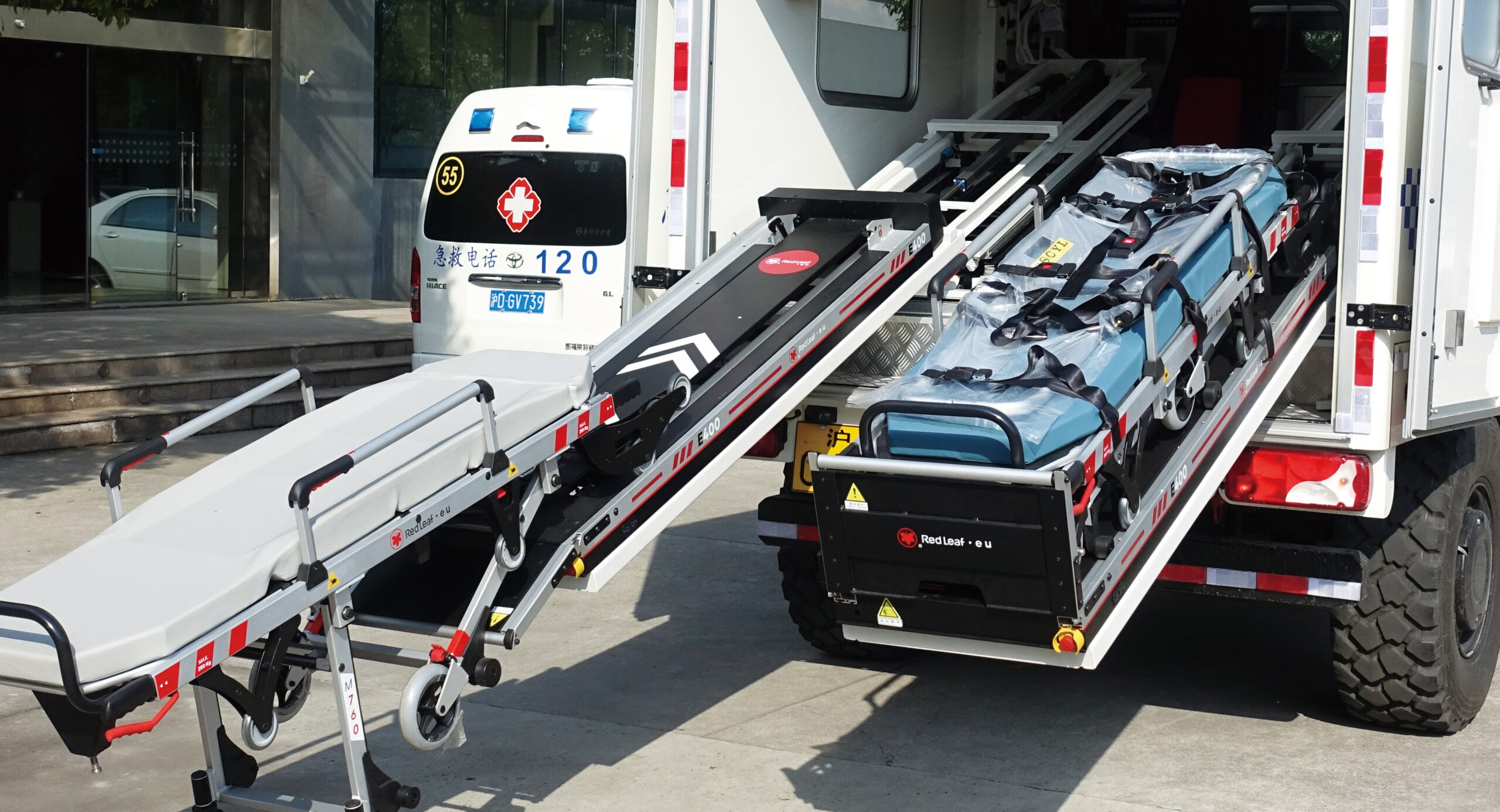
After the stretcher is loaded into the ambulance, it needs to remain stable and fixed during the vehicle’s movement. The interior fixation devices connect the stretcher to the installation positions on the ambulance to prevent any unnecessary movement of the stretcher during the journey.
Therefore, the fixation devices are an important part of the ambulance stretcher. They need to be coordinated with the stretcher structure and the installation devices on the ambulance to ensure the stability of the stretcher inside the vehicle.
Durability
Ambulance stretchers have been widely used in pre-hospital emergency environments and need to withstand frequent use, transportation, cleaning and disinfection. Therefore, the frame, patient contact surface and components of the stretcher all need to have good durability and convenience for daily cleaning.
The durable structure and easy to clean surface design help the stretcher maintain stable and reliable performance in high-frequency emergency tasks.
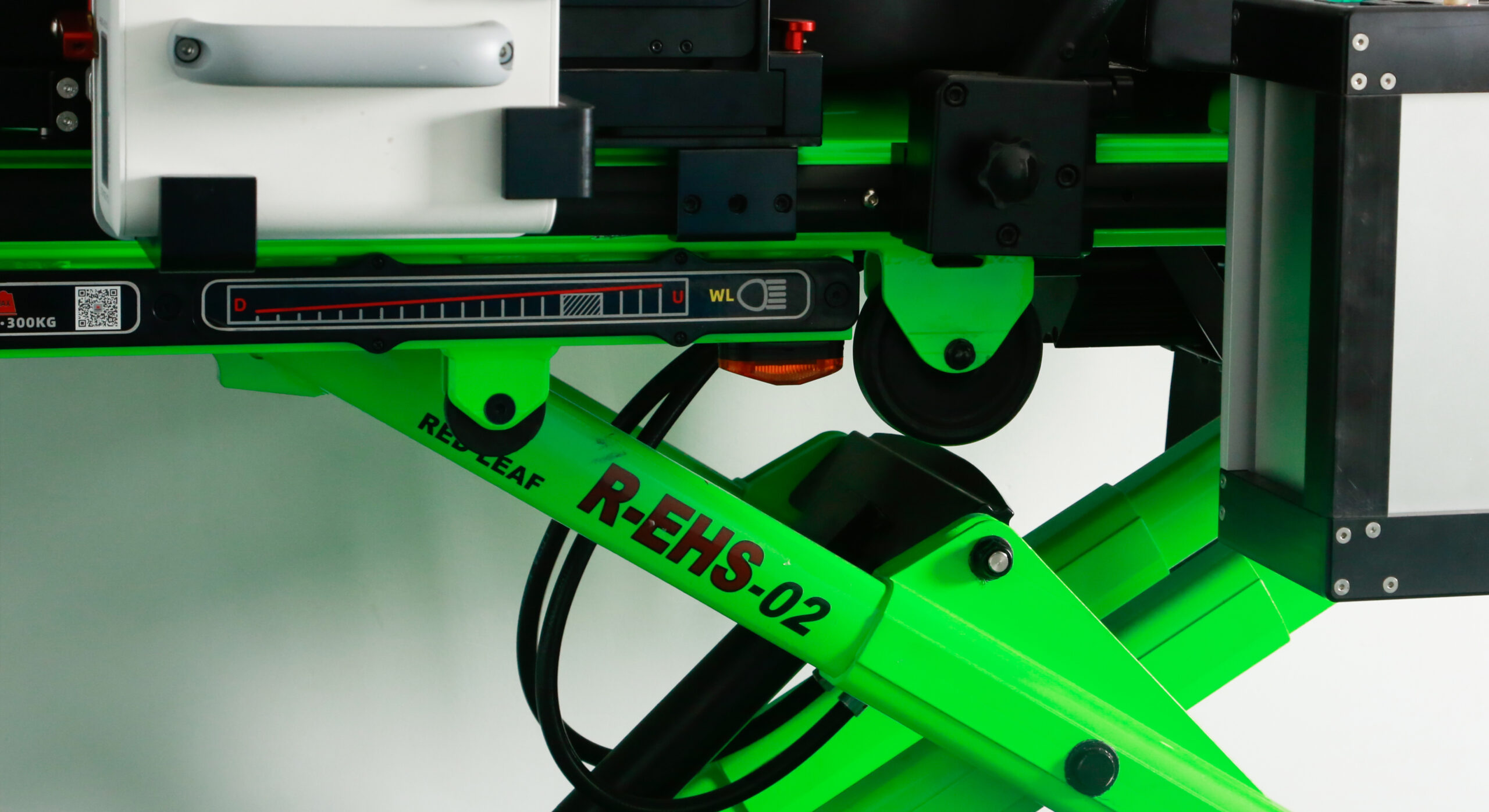
Key Specifications to Compare When Choosing an Ambulance Stretcher
When choosing the stretcher for ambulance, the specific specifications can help you determine whether a certain model is suitable for your ambulance configuration and the daily EMS transfer requirements. The key points to focus on include the following parameters:
Specification | Why it Matters |
Load Capacity | Confirm whether the ambulance stretcher is capable of safely carrying the patient and the necessary emergency equipment for the transfer |
Overall Dimensions | Affects the movement of the stretcher and whether it can smoothly pass through the rescue site and enter the ambulance |
Height Range | Influences patient transfer, working height, and compatibility with the ambulance interior. |
Loading Height | Helps to determine whether the stretcher can be loaded onto the ambulance |
| Wheels Size | Affects the stability of the stretcher on the ground, the flexibility of its movement, and its maneuverability |
Locking System | Make sure that the stretcher is securely fixed in the ambulance after being loaded, to prevent any movement during the transfer |
| Battery Life | Important for powered stretchers and their reliability during repeated EMS operations. |
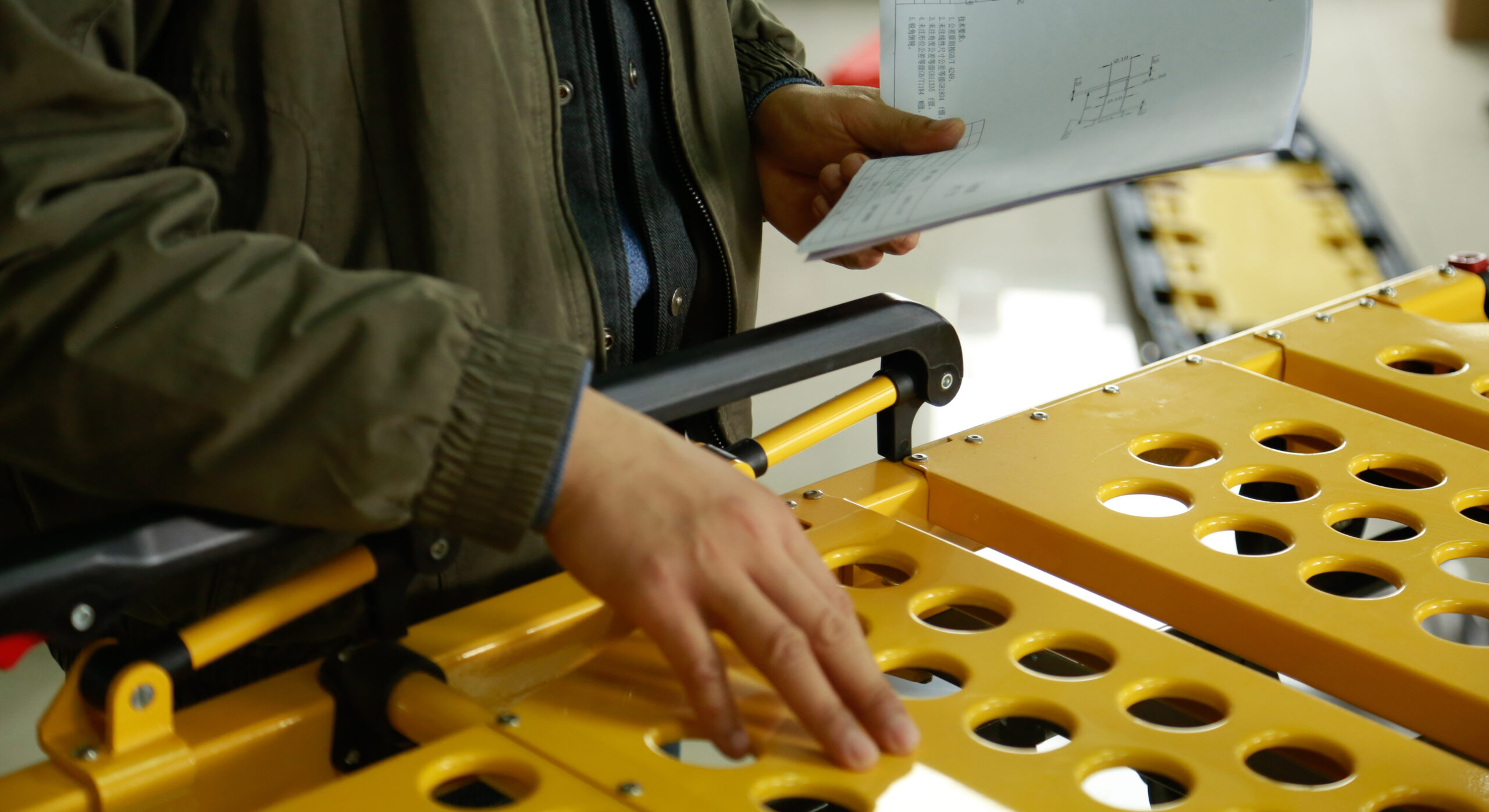
How to Choose the Right Ambulance Stretcher for Your Needs
Choosing the right stretcher for ambulance is not just about comparing features or parameters. What’s more important is to consider whether the stretcher matches your ambulance, the type of patient, and your daily EMS working methods.
The selection process can be narrowed down gradually from the following aspects.
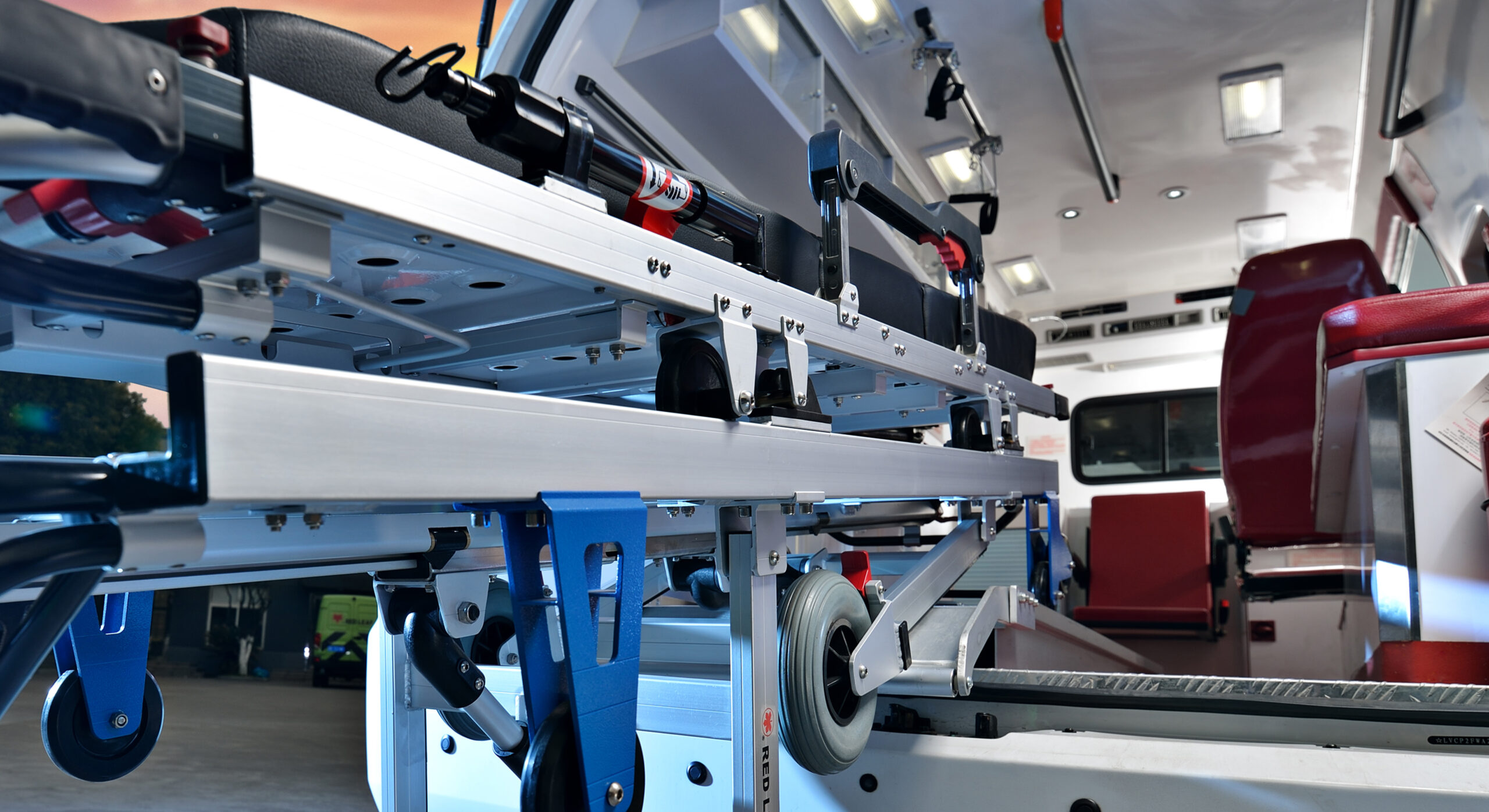
1.Start with Your Ambulance Configuration
First, it needs to match the ambulance you are using.
Before choosing the stretcher for ambulance, you should first check the internal space of the ambulance and the existing installation and fixation systems for the ambulance stretchers.
If it is a replacement of the stretcher or a new ambulance project, you also need to consider whether the same stretcher configuration can be used between different vehicles.
2.Match the Stretcher to Your Patient Profile
If your EMS team mainly transports ordinary adult patients, the standard configuration usually can meet the requirements. If there are frequent needs to transport patients with larger weights, then the corresponding model should be selected based on the actual load bearing requirements, rather than simply using the ordinary ambulance stretcher.
It is not necessary to blindly choose the model with the highest load capacity. What is more important is to balance the load capacity, operational performance and actual usage requirements.
3.Consider Your EMS Workload
For EMS transportation scenarios with low usage frequency or moderate workload, relatively simple ambulance stretchers are usually sufficient. For high-frequency emergency services, frequent patient transfers, or severe patient transports with emergency equipment, more attention should be paid to operational efficiency during long-term use and consideration should be given to choosing electric stretchers.
When choosing between manual and electric configurations, it should be based on the actual workload rather than simply pursuing a more advanced configuration.
4.Select the configuration suitable for the ambulance fleet
If multiple ambulances use the same or similar ambulance stretchers, EMS personnel can maintain consistent operation methods among different vehicles. Unified configuration also helps with personnel training, daily maintenance, spare parts management, and subsequent equipment replacement.
For bulk procurement projects, not only should the ambulance stretchers be considered to meet current needs, but also it should be evaluated whether the same or similar configurations can be continuously supplied in the future and whether stable after sales and spare parts support can be obtained.
FAQ
What is the difference between ambulance stretcher and hospital transfer stretcher?
The stretchers for ambulance are mainly used for pre-hospital transport. They need to meet the requirements of on-site movement, ambulance loading, in-vehicle fixation, and road transportation. In-hospital transfer beds are mainly used for transporting patients within the hospital, such as between the emergency department, wards, and operating rooms, with different focuses.

Are ambulance stretchers suitable for all types of emergency transport?
No. The standard stretcher for ambulance is mainly used for the routine patient transfer in road ambulances. However, in scenarios such as rescue in confined spaces, stair transfer, spinal fixation, or rescue in complex terrains, other corresponding stretchers need to be used. Therefore, the type of stretcher should be selected based on the specific transfer scenario, rather than using one type of stretcher as a universal solution for all scenarios.
What standards should an ambulance stretcher meet?
The applicable standards depend on the target market, product configuration, and actual usage. If you are a purchaser of ambulance equipment, you may need to pay attention to requirements such as patient transportation, ambulance system integration, structural safety, and medical device compliance. If it is for export or fleet projects, you should confirm the specific regulations, certifications, and compliance requirements applicable to the target market before choosing the stretcher.
What accessories can be added to an ambulance stretcher?
Depending on the type of ambulance stretcher, we provide various accessories such as infusion stands, oxygen cylinder holders, safety belts, head impact protection pads, side guardrails, and other patient transfer equipment. The specific configuration should be determined based on the equipment that the EMS team needs to carry on a daily basis and the available space inside the ambulance.
Can ambulance stretchers be customized for different markets?
Sure. The ambulance stretcher of REDLEAF can be adjusted according to different ambulance layouts, operating habits and market requirements. Commonly customized contents include size, installation interfaces, mattress configuration, caster configuration, fixation devices and accessory options, etc. For export projects, the customized plan should be confirmed in combination with the requirements of the target market and the specific configuration of the ambulance manufacturer.
Ambulance Stretcher Solutions from REDLEAF
REDLEAF offers ambulance stretcher solutions suitable for various EMS transportation needs. Different models can be selected based on the structure of different ambulances, patient requirements, and daily workload, focusing on actual usage needs such as patient transportation, ambulance loading, in-vehicle fixation, and daily operations.
We provides stretcher selection, configuration plans, batch supply, and technical support to importers, distributors, EMS service providers, and fleet projects. Whether it’s new ambulance equipment integration or existing stretcher updates, we can provide corresponding configurations based on specific patient transportation needs.