
Introduction
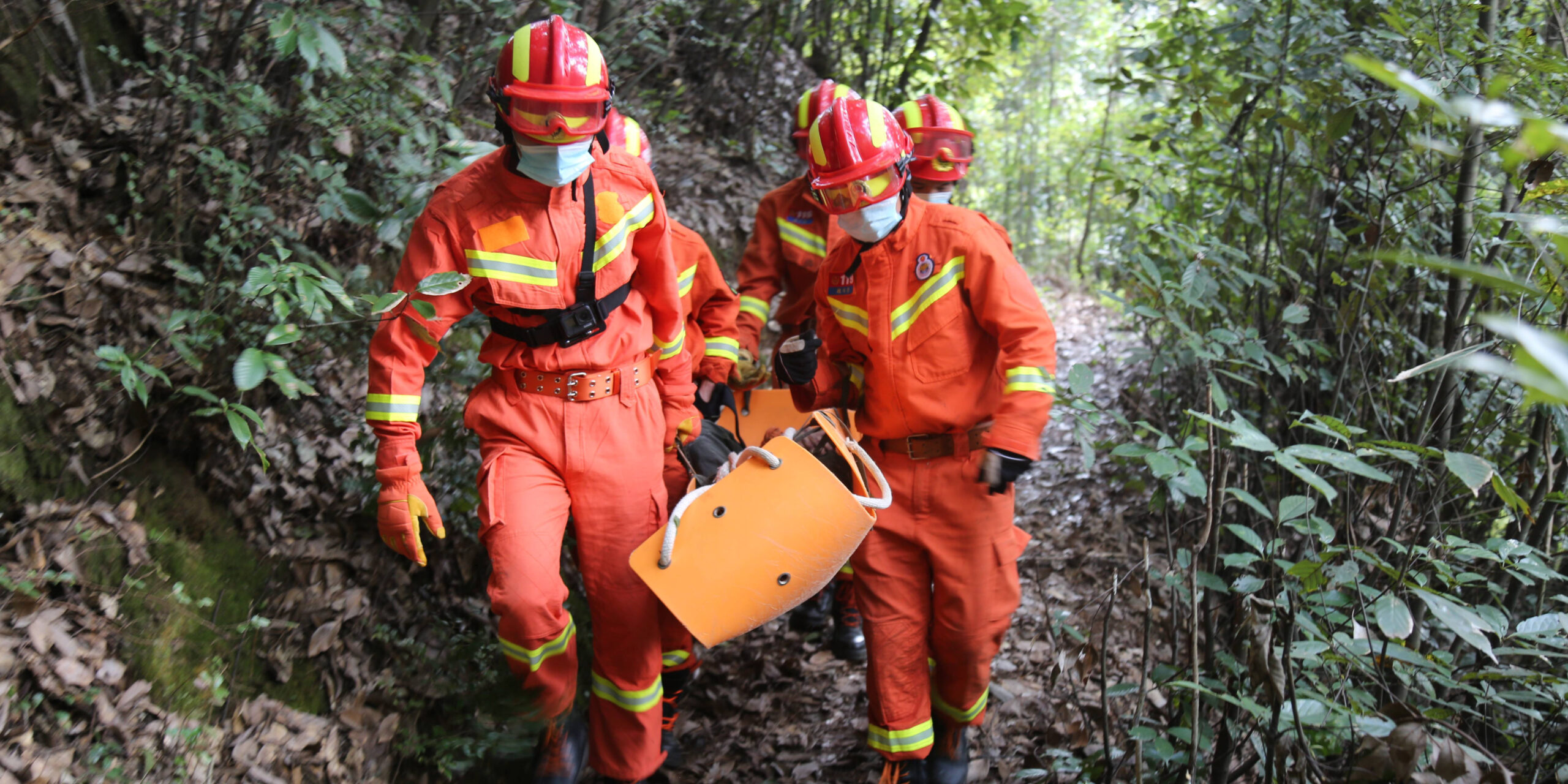
In complex rescue environments such as mountains and wilderness, patient transportation may involve rough terrain, limited access routes, high angle or vertical lifting. Different rescue stretchers have their own characteristics in terms of structure, portability, fixation and transportation capabilities. Therefore, it is necessary to choose the appropriate stretcher based on the specific rescue environment and transportation method. This article will introduce the common rescue stretchers types and their applicable scenarios, helping you assess your needs and configure the appropriate rescue stretcher.
What Factors Determine the Right Rescue Stretcher?
When choosing a rescue stretcher, you should base your decision on the actual rescue mission. The location and environment of the patient, how the rescuers can approach the patient, the patient’s condition, and the final method for transporting the patient out will all affect the selection of the rescue stretcher type.
- Rescue Environment
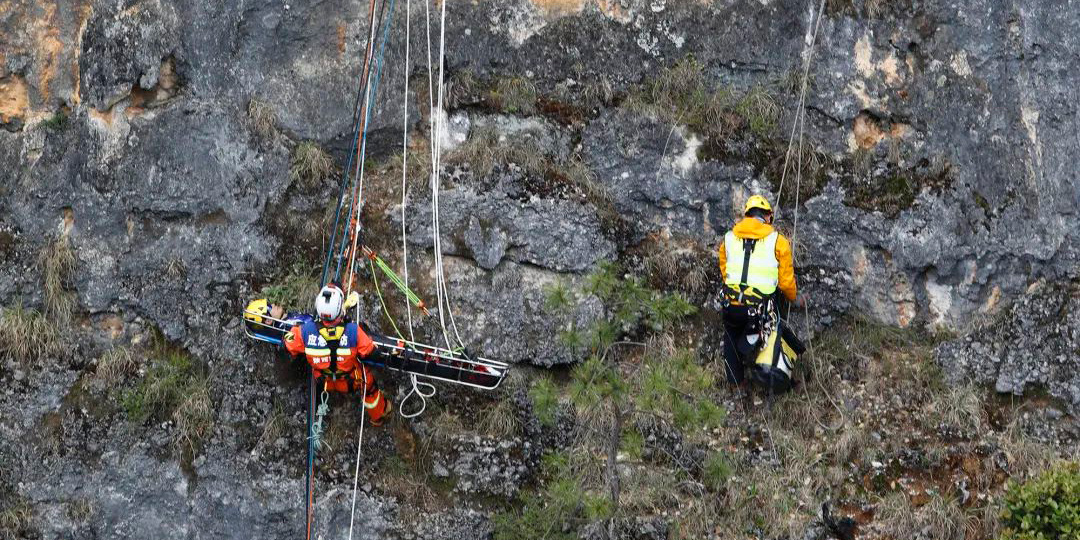
First, it is necessary to consider the rescue environment in which the stretcher will be used. For example, the rescue stretcher used on mountain roads may need to be moved over long distances on uneven ground; the stretcher used in industrial sites may need to cope with frequent movements and more complex working conditions. Additionally, factors such as water accumulation, sand, rocks, and steep terrain at the scene may also affect the applicability of the stretcher.
- Access Conditions
The way rescue personnel approach the patient will directly affect the choice of the rescue stretcher. In open areas, conventional rescue stretchers can usually be directly moved to the patient’s side; however, in narrow passages, limited spaces, or areas with restricted entrances, the rescue stretcher may need to be carried in by the rescue personnel and adjusted and transferred within the limited space. Therefore, such environments usually require more flexible, compact or targeted rescue stretchers.
- Patient Condition
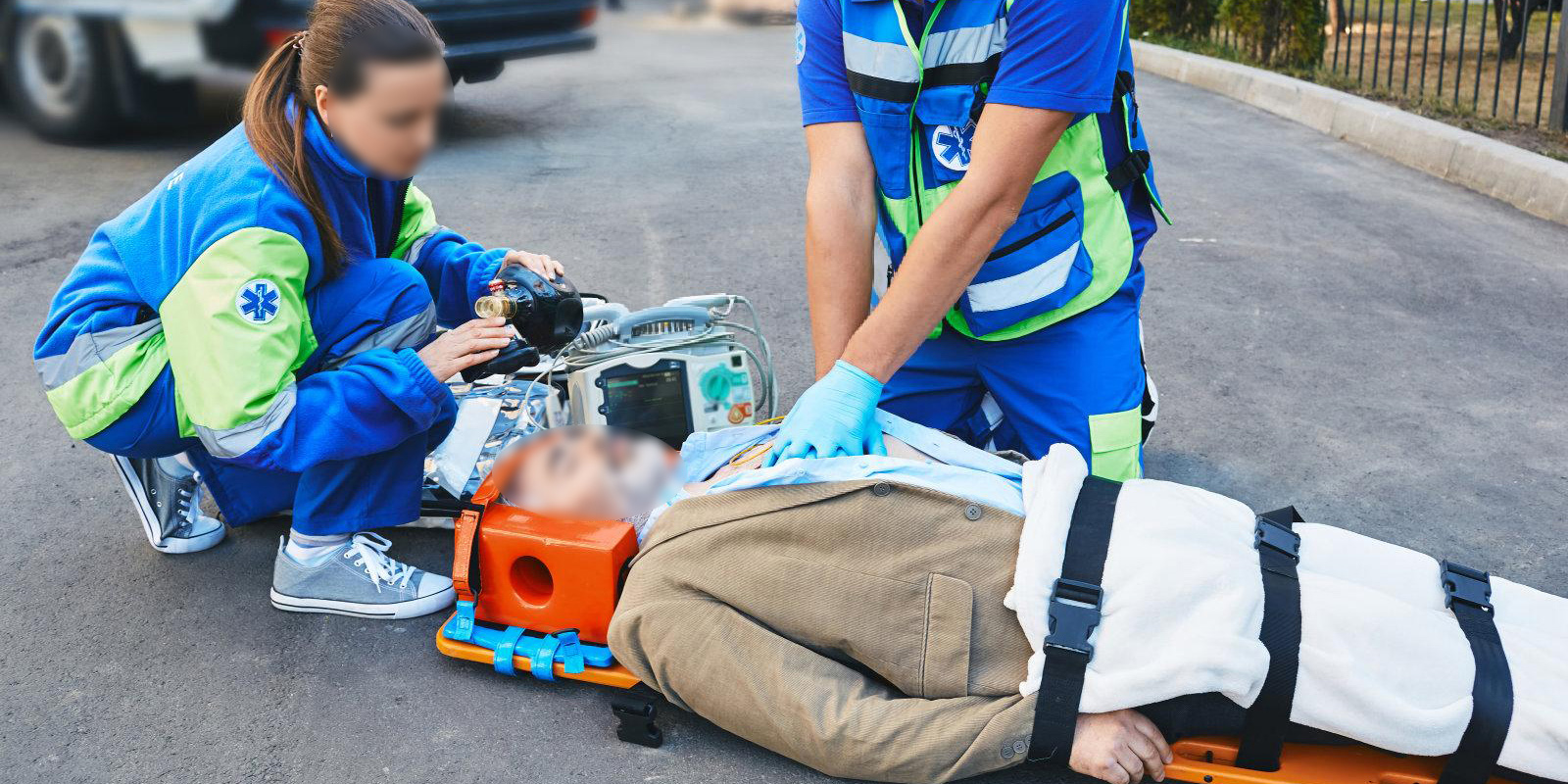
The patient’s injury condition and mobility will determine how to carry and immobilize them during the rescue process. For patients with suspected spinal injuries, severe trauma, or limited mobility, the rescue stretcher needs to provide stable support and reliable fixation, and minimize unnecessary movements. At the same time, the patient’s body size and weight will also affect the size and load bearing capacity of the stretcher required.
- Rescue Movement Method
It is also necessary to consider the method to be used for transporting the patient. Depending on the location of the rescue, the rescuer may need to perform manual lifting, dragging, horizontal movement, or lifting and lowering of the patient. The rescue stretchers used for lifting usually require appropriate lifting points and matching fixation equipment.
Main Rescue Stretcher Types
The rescue stretchers are designed with different structures to meet the requirements of various rescue tasks. The following four common types differ mainly in terms of structure, portability, patient handling methods and transportation capabilities.
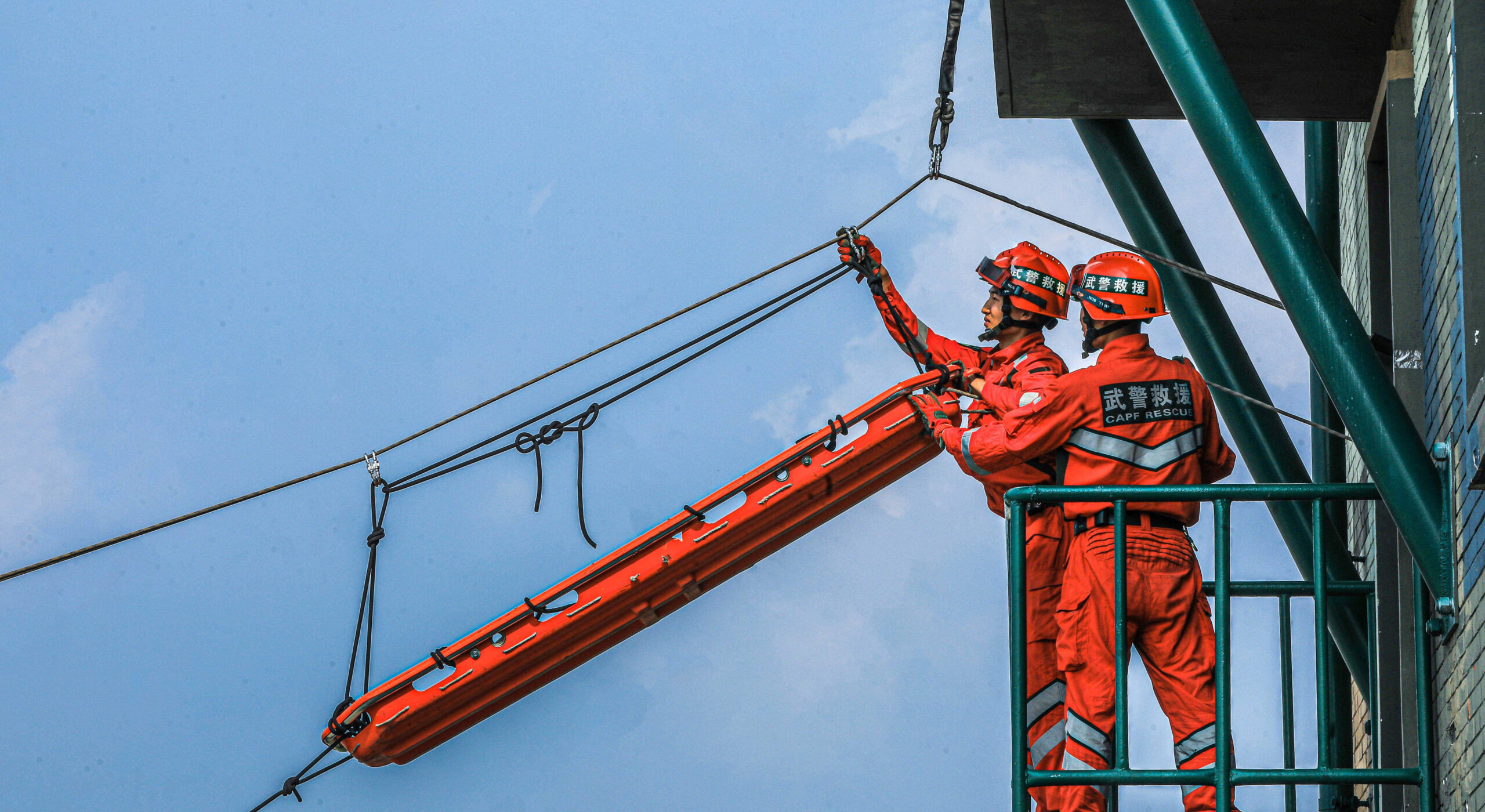
The basket stretcher features a rigid frame and an encircling structure, providing support and fixation for the patient. The open design facilitates the movement and operation of rescuer from various directions, making it suitable for complex rescue tasks such as outdoor and technical rescue. Depending on the specific types, some basket stretchers can also be used for aerial rescue or maritime rescue for lifting or hoisting.
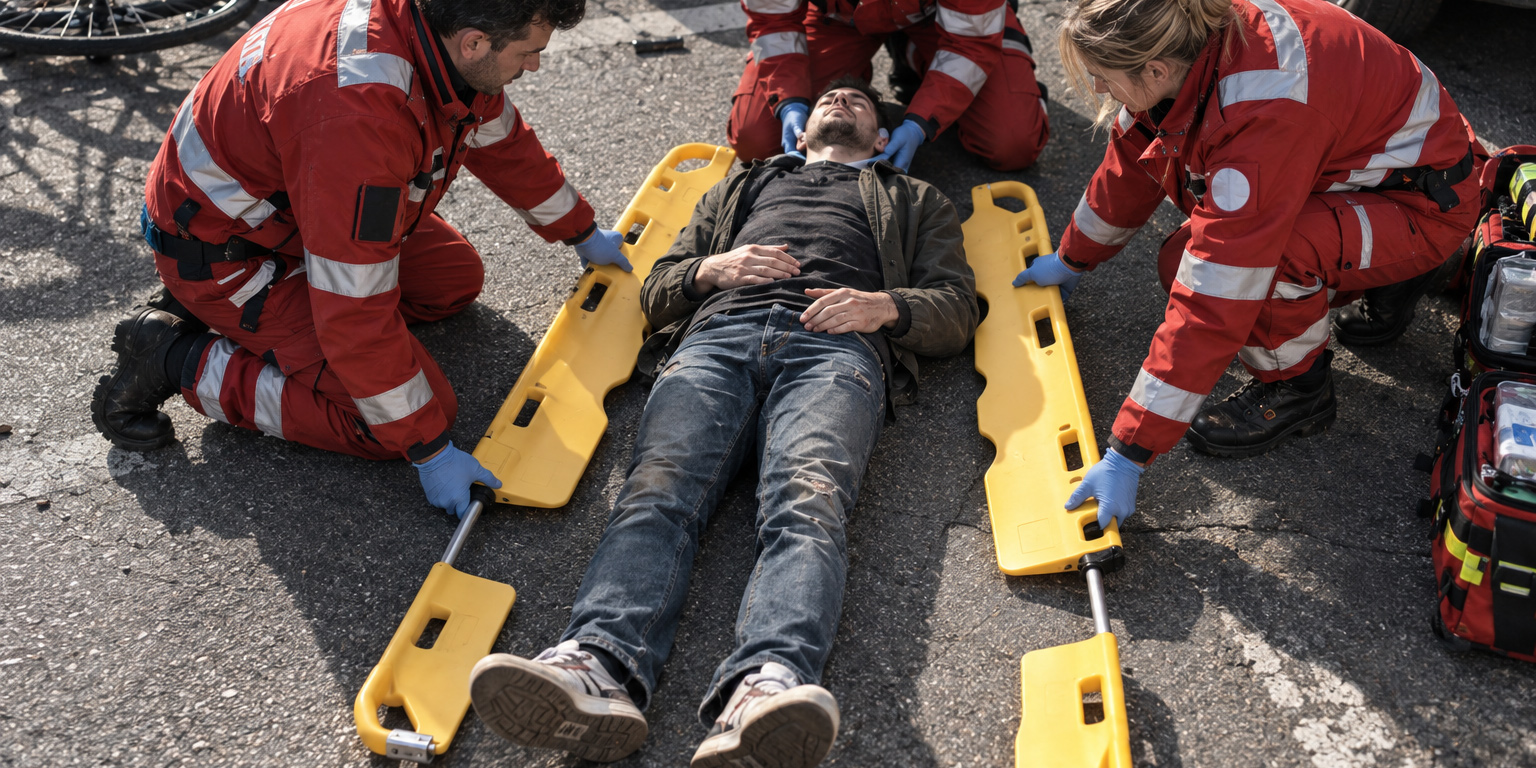
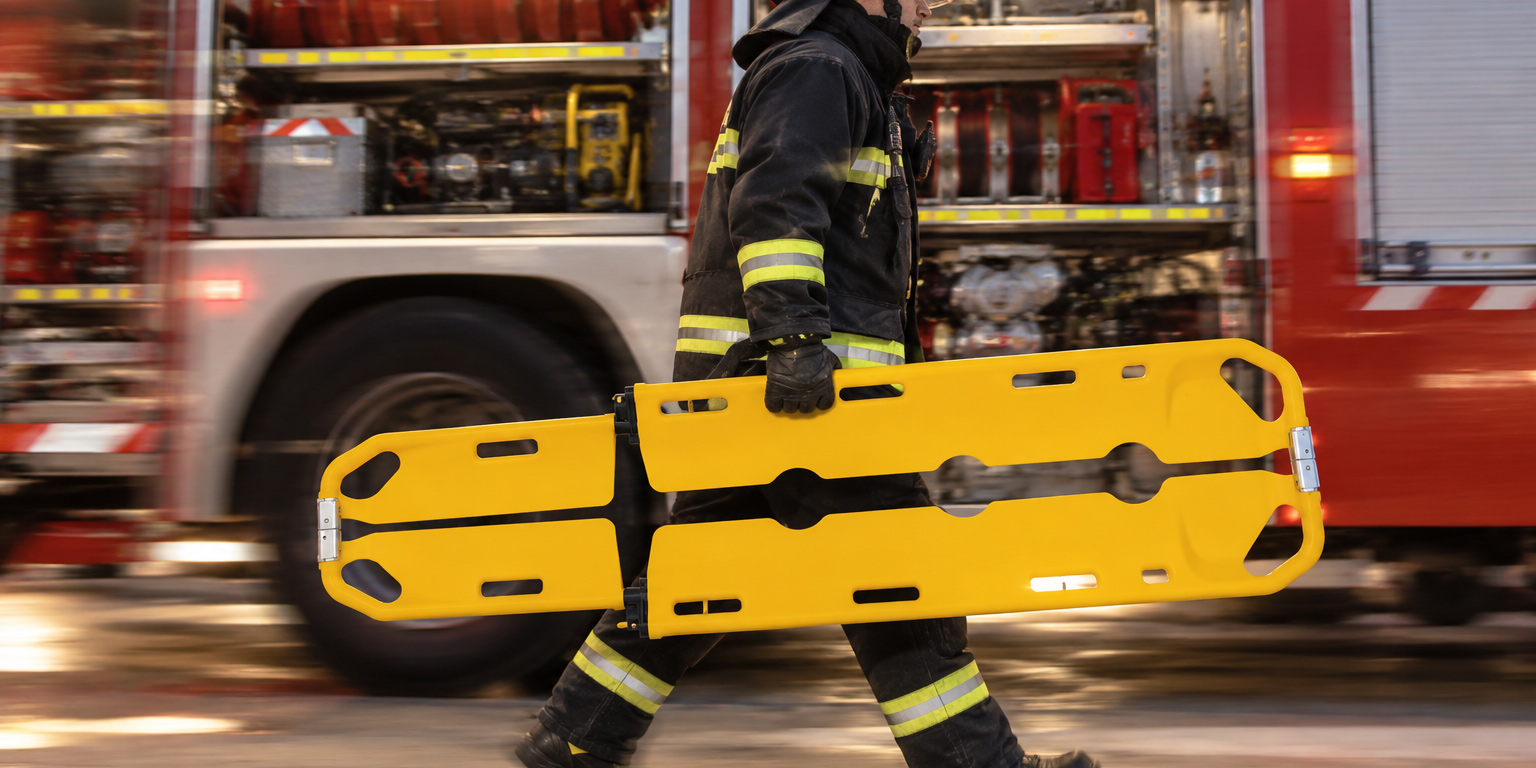
A scoop stretcher is designed to transfer a patient with minimal movement. Its modular structure enables the stretcher to be divided into left and right sections. Without moving the patient, it can be opened and positioned from both sides of the patient, then closed and fixed beneath the body, allowing the patient to be quickly scooped in or removed from beneath. Therefore, it is particularly suitable for the initial transfer where minimizing the patient’s movement is necessary.
The folding stretcher is mainly designed for easy storage, carrying and quick deployment. Its foldable structure can reduce the space occupied during storage and transportation, making it suitable for rescue scenarios with high requirements for portability.
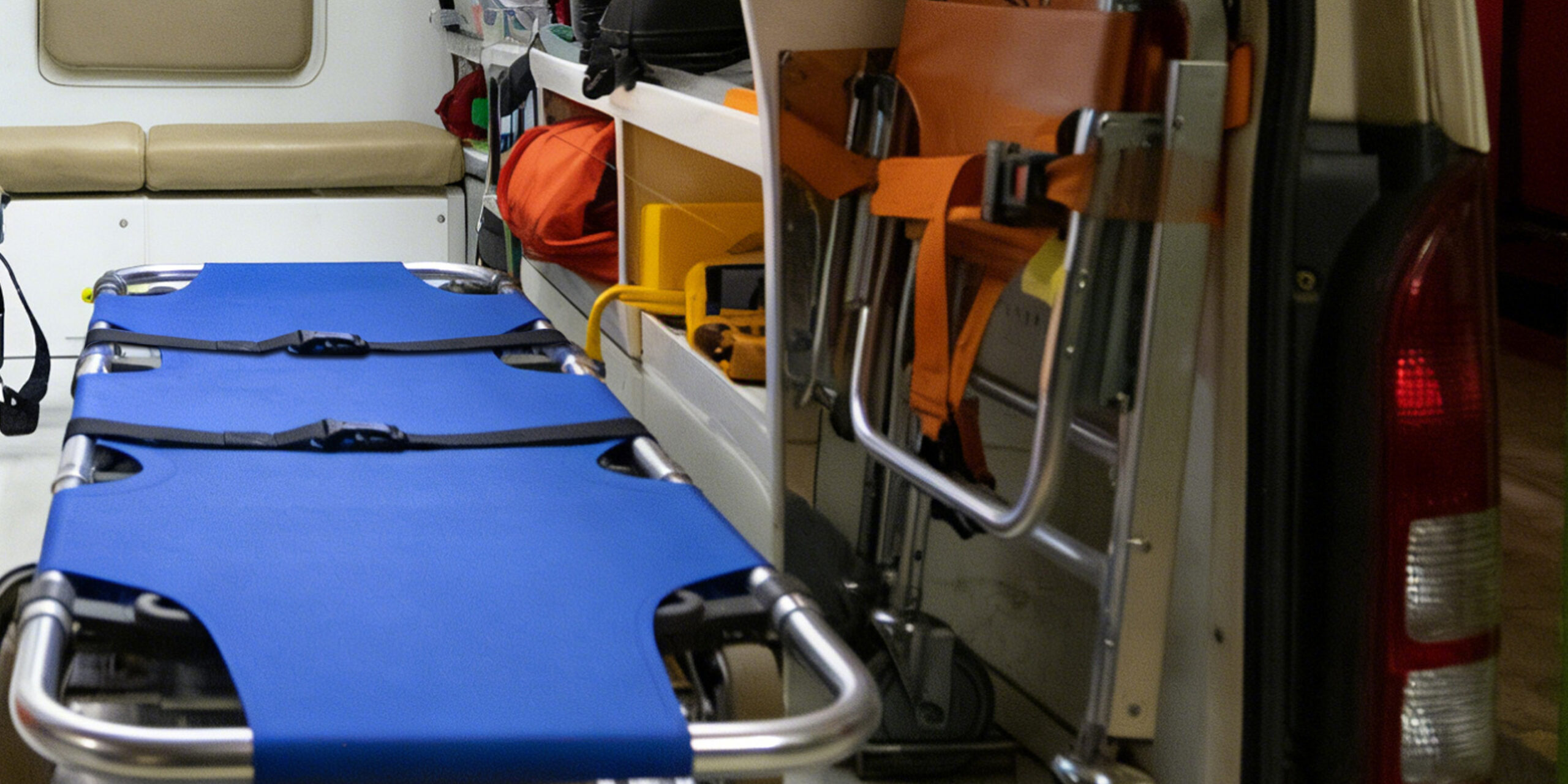
The roll rescue stretcher features a flexible structure, which can be rolled up or folded into a smaller volume, making it easy to carry and store. Its flexibility enables it to pass through narrow passages and limited spaces more easily, giving it an advantage over traditional rigid stretchers in environments where traditional stretchers are difficult to operate. Some models can also be used for horizontal or vertical evacuation of injured persons in technical rescue operations.
Matching Rescue Stretcher Types to Different Rescue Scenarios
Use the table below to find the rescue stretcher types that may fit your specific rescue environment.
Rescue Scenario | Rescue Operations Challenges | Rescue Stretcher Types | Key Selection Focus |
Mountain & Wilderness | Uneven terrain long distance transfer limited ambulance access | Basket Stretcher Folding Stretcher Roll Stretcher | Lightweight handling Portability Easy to carry over long distances |
Confined Space | Narrow entrances restricted working space obstacles around the patient | Roll Stretcher Scoop stretcher | Compact size flexible structure easy patient access and extraction |
High-Angle Rescue | Steep terrain vertical lifting or lowering limited support points | Basket Stretcher Roll Stretcher | Safety Fixation lifting connections controlled vertical movement |
Industrial Rescue | Mechanical equipment building structures demanding working space | Basket Stretcher Folding Stretcher | Durable structure flexible access convenient for patients to handle and evacuate |
Cave & Underground | Narrow passages uneven surfaces long evacuation routes | Basket Stretcher Roll Stretcher | Facilitates passage through narrow spaces patient support and fixation |
| Water & Marine | Water rescue shoreline rescue vessels or offshore facilities rescue Waves and wet environment rescue | Basket Stretcher | Structural strength patient fixation system lifting points corrosion resistance Drainage |
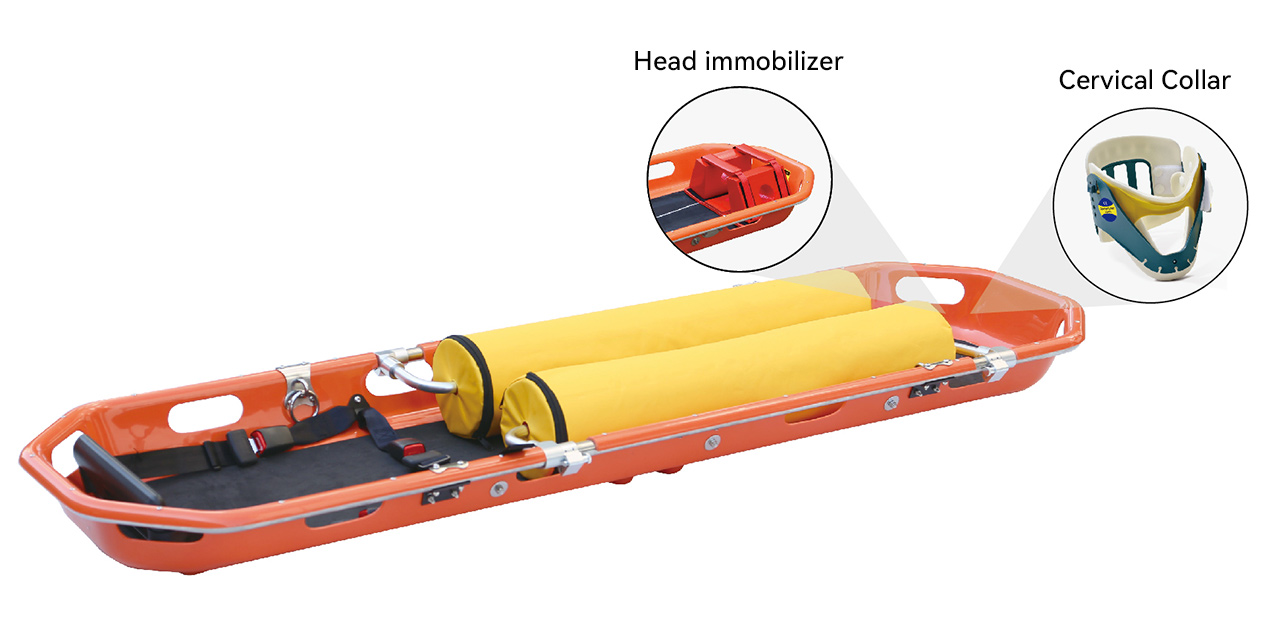
After determining the type of stretcher that suits your rescue scenario, you can further compare the key functions and specifications of different products. Common comparison factors include load capacity, size, weight, fixation system, lifting connection points, and storage methods. Choose the model that better meets the actual operational needs from among them. At the same time, rescue stretchers can be equipped with different accessories. Common configurations include safety belts, lifting straps, head immobilizer, storage bags, and stretcher wheels, etc.
FAQ
- Are rescue stretchers suitable for both adult and pediatric patients?
Not all rescue stretchers are suitable for adult and pediatric patients. Before using the stretcher for pediatric patients, it is necessary to verify the load-bearing capacity, fixation system, and size of the stretcher. If a rescue stretcher is needed for pediatric rescue, it is necessary to confirm that the stretcher is equipped with the appropriate configuration or is clearly suitable for children.
- What kind of load capacity does the rescue stretcher need to have?
The required load capacity depends on the specific rescue mission and the patient. When purchasing, you should check the rated load capacity indicated by the manufacturer and consider the total weight of the patient, medical equipment, and other rescue equipment carried on the stretcher.
- What materials are typically used for different types of rescue stretchers?
Rescue stretchers are usually made of materials such as aluminum alloy, steel or high-strength polymers. The specific material selection depends on the different rescue stretchers types, as well as their corresponding structural strength, weight, corrosion resistance, durability and actual rescue environment requirements.
- Can rescue stretcher configurations vary for the same type?
Yes. Rescue stretchers within the same category may differ in dimensions, restraint systems, lifting points, folding or storage design.
- Why are different rescue stretcher types used within the same rescue operation?
The rescue process may involve several stages such as approaching the patient, immobilizing the patient, passing through restricted areas, and evacuating to a safe location. When the requirements for moving or transporting the patient change during different stages, different types of rescue stretchers may be needed.
Final Thoughts

To select the appropriate rescue stretcher, it is necessary to first understand the actual rescue scenario. The terrain, on-site conditions, the patient’s condition, and the required evacuation method all affect the type and configuration of the suitable stretcher.
Different types of rescue stretchers have different structural features and operation methods. The correct selection is not just about choosing a stretcher with more functions, but rather matching the appropriate stretcher and configuration based on the actual environment and tasks faced by the rescue team.
REDLEAF offers various types and configurations of rescue stretchers, covering multiple emergency and rescue scenarios. Whether you are an EMS team, rescue agency, distributor, or conducting a bulk procurement project, we can assist you in configuring the appropriate rescue stretcher according to your actual needs.